
Episode 403 ·
John Bell, Co-Founder of base2 Data Analytics - Take Control of Your Data
Today we’re talking to John Bell, the Co-Founder of Base2 Data Analytics (recently rebranded to DataMovement.cloud). And we discuss how having a great culture at your company can influence partnerships with other organizations. How Base2 is working with Helpsystems to provide an unprecedented level of control over your data, and the evolution of how businesses have used data since the early 2000s.
All of this, right here, right now, on the Modern CTO Podcast!
To learn more about Base2 Data Analytics, check them out at https://datamovement.cloud
To learn more about Helpsystems, check them out at https://www.helpsystems.com
In case you missed it: check out our episode with Steph Charbonneau, Senior Director at Helpsystems
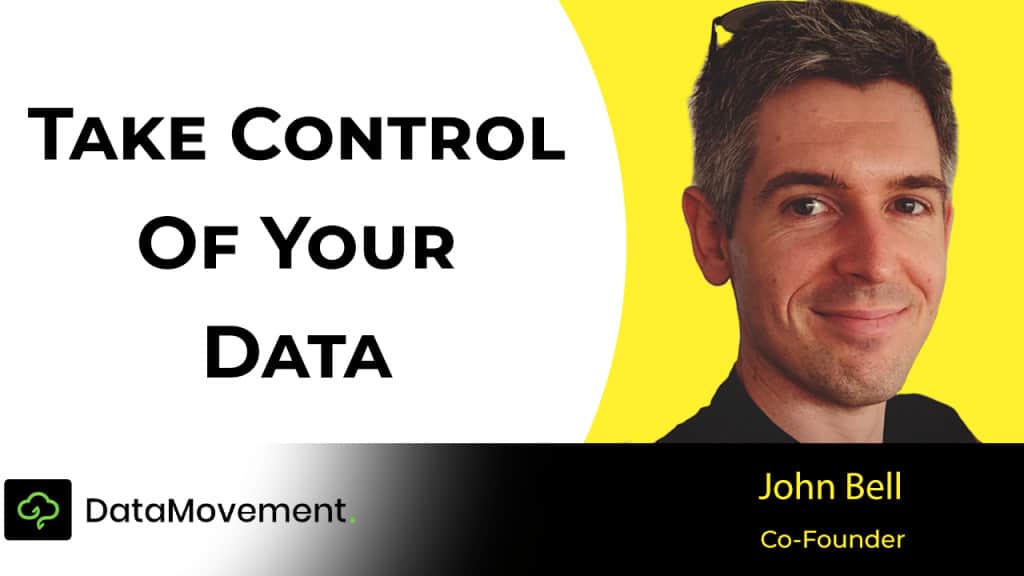
About John Bell:
John Bell, co-founder and Director of base2 Data Analytics, started his career contracting while studying Computer Science, Electronics and Instrumentation. He gravitated towards all things data in any industry that had large transformative projects. Working with various consultancies and companies in telecommunications, health care, aviation, social services and defence gave John a breadth of understanding in data and how it can drive positive impacts in organisations. John quickly realised that data projects were facing the same challenges to establish secure and consistent data capture and storage capabilities to which he is dedicated to changing. He is passionate about bringing people, data and technology together so organisations can achieve and grow data driven cultures.
About base2 Data Analytics (Recently Rebranded to DataMovement.cloud):
Base2DA is a technology-focused data movement company that offers solutions, subscriptions and services for secure capture, management and use of data. The company’s primary focus is to increase the value of data and remove barriers for data access and use. Recently re-branding to DataMovement.cloud to better fit their core service offering, GateKeeper, they help organisations move and manage data securely to develop new capabilities in the cloud. Base2DA partner with leading software solutions company HelpSystems to utilise their powerful Data Security Suite within their cloud service offering. HelpSystems and base2DA both share a passion for ensuring customers success in secure data operations and harmonisation.
Transcript
(Joel Beasley at 00:00:03) Hello, my friends. Today we're talking to John, the founder of base2 Data Analytics, and we discuss how having a great culture at your company can influence partnerships with other organizations, how base2 is working with HelpSystems to provide an unprecedented level of control over your data, and the evolution of how businesses have used data since the early 2000s. All of this right here, right now on the Modern CTO podcast.
(Joel Beasley at 00:00:35) Here we go. This is the Modern CTO podcast.
(John at 00:00:47) Well, I actually grew up in regional South Australia, so I'm a country boy. Tech wasn't really a thing where I grew up. It was more tractors, cars, and finding ways to amuse yourself out in the bush. My brother was always very much interested in electronics.
(John at 00:01:08) Well, I have two older brothers, and so they were both interested in tech. I was the youngest of three, so I always got to see the cool things. My brother started turning rockets when he was in his teens, building all the electronics. It was always really fun to hang out and do those types of things and get up to all the stuff you could get up to in the country. And yeah, I built my first computer when I was 16, back in the days before everything was colored, and you could actually stuff something up and go, "Oh well, I've got to go get another part now."
(John at 00:01:41) But the city was about three hours away, so that was go for a trip if you want to, or ring up a relative that lives in the city and say, "Hey, can you pick this up for me? And I'll see you in three months," and get the part. And yeah, so I finished my school and I took a year off to work some jobs and figure out what I wanted to do.
(John at 00:02:03) I was actually originally—my original degree that I was very interested in—I had a real love for biology and technology, so I was really interested in bioinformatics. And I really liked the idea of robotics and wearable tech. So I really loved the idea of, like, the positive side of the Terminators in terms of artificial enhancements with people and that type of medicine. All of that changed on my gap year.
(John at 00:02:32) So I ended up swapping into computer science and electronics and instrumentation, which I really, really enjoyed. I was one of the first people to actually take the extended major and see it through in seven years. I was a bit daunted when I got told that by my coordinator, and he said, "Yeah, no one does this course anymore." I'm like, "Why?" And they're like, "Yeah, we don't actually have enough subjects to fill it, so we're going to send you off to this place and this place to do it. This is how we do this one." I'm like, "Okay, great."
(John at 00:03:01) And I met some really cool people. I think I've always been really fortunate. I've always bumped into, through my life, some really impressionistic people that I've really enjoyed hanging out with. And so I finished my university. I finished my bachelor. I stayed on for my honors. And then after I did my honors, I was thinking about doing my PhD. And I thought to myself, "Well, I could go into the academic side," and we got introduced to this really cool project. It's called The Thinking Head.
(John at 00:03:35) There was an artist who—it wasn't about AI. It was about an artistic rendition of the human condition. And this guy was pretty far out there. The type of artistic stunts he used to do were—he'd actually hurt himself in some of the stuff that he would do. So he was really, really far out there.
(Joel Beasley at 00:03:57) What are some of the crazy ones? Maybe a PG one?
(John at 00:04:00) Well, the craziest one—at the time when I got introduced to the guy, he had hung himself in a display off of meat hooks off of his body. I felt like when they told me about it, I'm like, "So what's his interest in AI?" And they're like, "Oh, it's not AI. It's, he wants to do—it's like an artistic thing."
(John at 00:04:20) So we were using AI. Yeah, so that's exactly right. So we were actually collaborating with universities in Europe and the States and in Australia, and we were effectively—holy grad student. The students were writing holy code, and effectively, you know, it was a very early rendition of it. I still remember the tech around it at the time. It was like they had to get a screen from Sony that actually had 12 displays layered in it to give that original 3D look. And the 3D printer we had was like, "All right, you want to print a block? Come back three days later and it'll be printed."
(John at 00:04:59) And so we would make up all this cool stuff, and effectively the display was you talk to the head and it was preprogrammed with a lot of responses. There was a bit of psychology behind it around how you would do that. And you'd give it some questions, you'd give it some responses. I mean, it was really early learning type of stuff, but it was really interesting in terms of the applications for, you know, teacher assisting, for early childhood learning and stuff like that. So it was really cool. So I got to work on a bit of that, and then I thought—I started to look at what I wanted to do for my PhD, and I thought, "No, I think I want to go and get out there and do a bit more."
(John at 00:05:27) I really enjoyed contracting while I was at uni. It just so happened I picked up a lot of odd jobs in IT. So I did some tutoring. I also ran practical sessions in classes, and I would also pick up a couple of contracts with the local Science and Technology Unit down the road, which was really cool. We did some really interesting projects. Probably the one I liked the most was when we—it was an interview like we're having now, but what it would do is it would actually transcribe the interview itself, and any type of emotional tonal changes in the interview, it would color and change the sizing and the font of the words. And so what you could do is you could read a transcript and understand the emotional intelligence in the transcript. And so it was really, really cool type of thing, before, you know, you could just go to YouTube and watch a million hours worth of anything you ever wanted. Right? That was really, really cool.
(John at 00:06:38) And the applications for it were really cool as well. So I finished that, finished my work at uni, and then applied for a whole heap of grad jobs. Ended up moving to Melbourne, which is a different state. So I took some summer jobs and just random jobs back home. I ended up working for a chemical manufacturing plant, stainless steel manufacturer, so they would weld up tanks. Now where I grew up, it's a very big vineyard and grape and wine type of country, so there's a lot of demand for that. So I worked there for a while.
(John at 00:07:08) And then I still remember I flew into Melbourne and I got a phone call. And that was at the time where telemarketing was really, really high. And I got a ring from, which I didn't know at the time, which was my future boss. And she's like, "Hi, this is Natasha from Telstra," and I just immediately cut her off going, "Oh look, sorry, I'm not interested. I'm already with Telstra. Like, you know, don't try to sell me anything," basically. And she's like, "Oh no, no, no, no, no. You start here on Tuesday." And I'm like, "Great first impression." So we had a good joke about that and had a chat over coffee, and I was like, "Yep, that's a really interesting way of meeting your future team lead and what you're going to do."
(John at 00:07:59) Yeah. I met some really cool guys there, and Telstra was doing a really big uplift of their telecommunications and customer systems. And I was really, really lucky and fortunate to meet some really cool people there and some guys from the US who'd come over. A lot of guys had worked in Verizon and some really big telcos in the States, and so they'd come over as well. One of them in particular, who was actually my manager at the time—I was still looking for a place, and he said to me, "Oh look, don't worry about it. Just come and live with me for a while. We'll show you the ropes, and we'll take you around the place since you're new in town." Mind you, he'd only been there 18 months prior.
(John at 00:08:27) And that was really cool. I got to see a lot of projects, and that's really when I got introduced into the data space and where I really found my feet. Before, IT for me, and tech, was really about, you know, I would just get into odd things. It was in operations. I'd do a bit of coding. I'd just do a few bits and pieces here and there. It was always jack-of-all-trades for me. It wasn't, you know, I would just want to be a coder or—we ended up getting into, like, training overseas help center staff and setting up new products, building extensions for products for ordering systems. It was, you know, just a really good exposure into all of these different cool things you could do. And it really gave me a love for wanting to work on really big projects with a lot of people. That kind of, I think, shaped my expectations from working for companies and stuff like that, where it was more about the team for me rather than the company itself. Because you spend a bit of time with the company, which was great, but it was more about the team that you worked with every day and what you got into. And when there was a problem, you were always together and you always helped out.
(John at 00:09:48) I was really lucky like that. Always had really good teams to work with. So we had a lot of fun. And yeah, it was great. You know, we'd work a double shift supporting and bringing up the new international services. And then we'd go out to the third shift, and then we'd go home for a few hours of sleep and do it all over again. And it was really cool. And then we moved around quite a bit on different projects, and it was really good. And then I really got into automation.
(John at 00:10:19) And so we actually built this in-house automation suite. Don't ask me why it was called this, but it was called Moose. No one could explain why it was called Moose, but it was just Moose. I was like, "Great." It was great. The head dev just decided that "I like the name of this," I'm like, "Great." So we adopted that, and we did a lot of the automation for redeploying all the endpoint servers for all their systems. And I still remember this one day, one of the guys from over in Hyderabad in India rings me and goes, "It all looks different. Something's happened." I'm like, "What do you mean?" He's like, "It's like all the icons changed to Easter eggs." And I was like, "Really?" I'm like, "What day is it?"
(John at 00:11:00) I'm like, "Yeah, it's Easter." And I said, "Oh, it's—so the devs have actually physically coded in Easter eggs into the products." And so when the dates change, depending on what season it was, all the icons for the jobs would change. So you'd see little pumpkins on Halloween, and you'd see Easter eggs, and you'd see Christmas and all these other dates and stuff like that. It was really funny because the first night it happened, it was my brother's bachelor party, and I was literally—I picked up the phone and they're like, "We need—" I'm like, "Guys, I'm nowhere near a computer. Like, it's fine. Just run a job, see what happens. You know, if you've got some real dramas, you're just going to have to wait. If not, I'm on call and I'll try to troubleshoot this over the phone." And the guys were sending me pictures. You know, this was just as the first iPhone was sent out, so, you know, phones weren't particularly great at sending data at that point in time. And so getting these pictures of screens where all the lines are showing up, and so you're trying to interpret what they're doing, and you're like, "Yeah, that's pretty crazy."
(John at 00:12:04) And you're like, "It's just fine," I said. "If the Easter egg breaks, just let me know, but I think you'll be fine." Otherwise—and then it all turned out all right in the end. And then I ended up moving again. I finished up my time in Melbourne. Customer care and billing was coming to a close. And I moved over to Canberra, and I started working for a few consultancies here. Started taking up small work with federal government and getting into more projects around citizen-centric policy, social services, health, welfare, aviation. It was really, really cool.
(John at 00:12:38) And then I found myself jumping in between contracts and consultancies, and it was that same thing. I think I had such a great start to my journey in terms of having really great teams and people to work with. I was really looking for that again. And I found each different state and company I worked with—cultures and perceptions and stuff changed. And that's where I got to the point where I was, you know—I thought I had a lot of experience, but, you know, I always have more to learn. I've always been looking for that next challenge and being able to challenge myself and do a lot of things. And, you know, I joined a few consultancies, and that's where I was—it was like, "No, we think you're a bit too young or you're a little bit inexperienced in—you need to get some more life experience." And I was like, "Okay, how do you suppose I do that?"
(John at 00:13:29) You know, I've had a—well, yeah, I thought, "Yeah, I've moved around a bit. I've always looked for the next thing. I want to—I work on really large projects, work with some really cool guys. What can you give me and what can you give me as advice?" You know? And so the person saying this back to me, and they're like, "Oh, you know, it's not how it really works." I was like, "Okay." So I thought on it a while, and I was working this really cool project with health, and I decided to myself, "No, I don't like this anymore." And so I basically said to them, "Look, I'll just give you six months. You know, I really want to take some points. I want to really show what I can do."
(John at 00:14:03) And in those six months, you know, realistically, once again, I was with my project team. There was really nothing that the company was able to offer in terms of that growth expectation. It was kind of the glass ceiling opportunity. And I could see up, but I couldn't get up. So I said, "You know, that's great." And then I still remember one of the last conversations I had with—in some companies, you know, how they give you a mentor or you get a group of people that you talk to. And they said, "Oh, the leadership don't know whether to promote you or performance-manage you." And I was like, "I don't know how to take that." And I was like, "That's kind of like two very ends of the spectrum." I was like, "I don't think I'm that different, but, you know, cool. Thanks for that. That actually gives me a lot of drive and, you know, I think what I want to go and do." Then I saw the project through in six months, and then I went to freelancing again, which was great.
(John at 00:15:01) I got to work on some really cool projects in defense. Got to go back and work in social services. Got to work in aviation. Aviation data was really cool. I'm really excited about that.
(Joel Beasley at 00:15:13) What kind of stuff were you doing there?
(John at 00:15:15) So we were looking at effectively trying to manage, enhance, and create ways of booking slot times and how planes would effectively come in. And where was the flight record and who and what flight—and as flights changed on what tail number on a flight—and how you could effectively get and optimize how you could get more flights and how you could get more people and how you could do that safer. And it was really cool. Actually getting real live feeds and watching radar and getting real feeds of planes coming in and actually mapping and visualizing that data and being able to actually watch planes in a visualization tool. And, you know, see where they were landing and where you could see patterns across airports and stuff like that. And it was just really, really cool stuff. And I met this super, super smart guy who—his words were he didn't like how the system works, so he built a new one.
(John at 00:16:15) And he did it off of a GlassFish server and had a bit of code. And he said, "Yeah, look, we use this and it's fantastic." And it was just how he saw it. It was just this whole different way of working.
(John at 00:16:30) And it was great. You know, I got to play with some really, really cool data and bring in all this really operational and specific data. And it was really cool then because, you know, it's really at that age where you could go and get some really cool operational data to manage that. But you really only had that five to fifteen minute window where you could really make a difference and then how you move that into an analytical space and really manage that data effectively.
(John at 00:16:55) It's really cool when you're working in spaces where they're really well-defined, rigid data schemas, where they've got all the data sorted out, you know, how you're dealing with it, and you can just use it. It's like putting fuel in the car and just hitting the open road and putting on some good music. You can just get in there and really, really use it. And data is that space where, you know, you get a good amount of analytics and problem solving, but also a good amount of coding. And so it really gives you, it's a really cool, encompassing space. And data is one of those things that, you know, I really found a passion for early because you could see how businesses operate—that the underlying lifeblood of their businesses were in their data.
(John at 00:17:38) And so what I always used to find, and I always find it funny, where business intelligence—you know, we talk about business intelligence these days, it's more about the tooling. But, you know, when I first came into IT, you know, business intelligence was that age-old saying around, what do you know about your business in six months, twelve months, two years, four years? You know, how are you hiring? You know, how are you growing your graduates? How are you bringing up your next generations? How are you applying that longitudinal intelligence? And how that kind of flipped into that tool space was, you know, people started visualizing that. It became the BI tool. So everyone talked about business intelligence as a tool rather than a methodology or an ethos.
(John at 00:18:23) And so it was more about, "Well, how are you gonna visualize that all?" And the transition, I think, was really rapid over from around 2015 where you no longer talk about business intelligence as a framework, as a practitioner, as a how you're gonna bring that intelligence and do planning, and it became more about the tool. And so all the work to work with data and prepare that data was, you know, that was what we call—that was the plumbing. You know, no one wanted to think about what runs through their plumbing. You know, they all wanna talk about, you know, that really fancy—look at my bathroom, look at my really fancy taps, look at all my, you know, how cool the facade is. And the BI tool became more of the facade rather than that intelligence piece.
(John at 00:19:10) And so where I found is, you know, what I saw was the challenges in data became more about the visualization tool was put in place and all the data was rushed there really quickly. And then within twelve to twenty-four months, businesses, clients, corporations really find it difficult to extend it. That it became buggy. It wouldn't run. That, you know, overnight loads were really, you know, stretching the limitations of the toolset because no data preparation was getting done anymore. The rigidity around data structure and data wasn't being maintained. It's all getting shoved into tool sets. And also, you know, within marketing and stuff like that, you know, you saw all the tool sets going, "You know, don't worry about putting it into your warehouse or don't worry about doing any preprocessing. Just load your Excel spreadsheet up and, you know, go crazy with it." See what you can see.
(John at 00:20:03) And that's really cool. Like, you know, I've got a sample of data. I wanna put it in my BI tool. I wanna build an alpha really quickly. I wanna show a client or I wanna show a business area, you know, this is what your data could do for you. You know? And now let's productionize that. But let's build the pipeline. You know, let's set it up. Let's automate it. Let's really make it, you know, to scale, let's make it robust for your business.
(John at 00:20:26) But then, realistically, what we would always find is as I would walk into a client's base is more and more of the data had moved from the pipeline into the visualization tool, and it became more manual intensive. So you'd have more and more people producing Excel spreadsheets and really moving to the spreadsheet or doing changes on their desktops and uploading them into these tools. And the trust of data, you really saw it, I reckon, 2017, I reckon you really saw it. The trust in data really started to decay where people would no longer look at their BI and go, "You know, I'm gonna make a decision on that." It's a good indicator. It's really pretty. And don't get me wrong, some of the stuff that comes out of these BI tools and even, you know, base languages these days, it's really, really pretty stuff. Really, really fascinating.
(John at 00:21:17) And that's where, you know, we kind of coined the term "fascinators." You can show someone that looks really pretty. There's all these cool things. But do you trust what you see? How have you established that trust? And I think that's in data and whether it's across business intelligence or whether it's across analytics or whether it's across security. It's really one of those things where you start looking at what's the trust, how do I build that trust, and how do I make, you know, how do I really make data sexy again? Because we really, we moved from, I think, the, you know, 2005, 2010—data was really core. You had really good processing. The frameworks to set it up were fantastic. There were really rigid processes. The technology was good, but it wasn't really like hyperscale. Storage was still an issue. Compute was still an issue. And then there was this kind of flip, and it kinda went to the more personal computing you got where you got better phones, better laptops, better tablets, where you could do more yourself.
(John at 00:22:25) And all those interfaces changed to really be to the user, to the individual. That pipeline really decayed in terms of supplying that singular pipeline or that centralized mentality of storing your data. And I remember I got to meet a really, really funny guy from Germany in a morning kind of conference that I was at. And he goes, "You know, we're in Germany. We don't have a sense of humor." Like, he would make all these really—he did. He had this fantastic sense of humor. He'd make all these really dry jokes, but he'd never laugh. So he'd always be super serious and he'd deliver it. And he said, "You know, the age with all of, you know, the real turn is, you know, shadow IT and shadow systems." And that's really where people are going because the bigger the enterprise becomes, the harder it is to move that data and the more they've got to look after in business-as-usual operations. So that's the real core is how you think about, "How do I do my business-as-usual operations and how do I make that—you know, how do I destroy that misnomer in my business about moving it into a warehouse and moving it somewhere centralized isn't gonna be really slow, isn't gonna be, you know, really costly? You know, you can be able to deliver a few business on a timely manner." Because when we look at, you know, when I look at, you know, consuming products or consuming services, you know, everything's—I can get an app on my phone. I can just go to a service these days and you can pick—you know, I'm hungry, just pick up the service, get some food sent to your house. It's all, you know, it's all really easy to get to. Stuff's, it's just consuming. It's super simple these days. So if you tell someone it's gonna be nine months to plumb in, you know, this, you know, really well-performing data feed or "Here, have an Excel spreadsheet and get two people to pump it in for you," then there's not even a "Let me think about that." It's a "Just give me the tool and the Excel spreadsheet, and we'll make it work." You know, it's the, you know, the—it's not, it wasn't the price. It was the time. You know, how do you get that there? So the challenge on every project became, "How do you get all of these, you know, unstructured, semi-structured feeds?" And, you know, as we saw, more data was becoming semi-structured and unstructured because people were putting less standards, less time into, you know, defining the metadata and defining all of those things around their data. So you ended up with more of these feeds of, you know, operational data, more feeds into things where, yeah, it wasn't just pick up my schema and pick up my data, push it into a database. You know, off you go. You know, pick your way you wanna model it, you know, and how you wanna structure that out and move it through.
(John at 00:25:14) It became there was a lot more to—you know, I look at it as the syntax versus the semantic shift. You had this really cool, you know, programming languages. I've got my syntax. You know, I followed my syntax. I run it through. Great. And then, you know, data works that way as well. I've got my schema. I've got my data. It's really easy to say yes or no. And then we kind of moved into this really semi-structured and unstructured—people producing all these stuff and documents they wanna get to. And then it's like, "Well, how do I semantically play with that? How do I, you know, take all my data in and then do something with it and actually get a result really quickly for my business and for my client or for wherever I'm working to get that data where it needs to be?" And really simple things that we used to be able to do before, like, "How many customers do I have? You know, what services are they on? You know, how much are we charging them? Can we get them better prices? How can we market to people better?" All started becoming more difficult because the data that told you about that started becoming more convoluted. So you had to do more work in that space.
(John at 00:26:19) And so technology really started to pick up in that space and, I always like to use—I used a lot in the IBM and Informatica space, and they really had some—their tool sets were really cool in that space. But once again, you're only as fast as the slowest part of your process. So you really still have that problem of getting it into that, you know, that warehousing and getting it, you know, really performant. And it still wasn't where people wanted to be. Warehouses were still breaking down. They weren't getting invested in. People just said, "Oh, you know, set and forget the data center. Now we don't have to maintain it." And so you just saw all these warehouses and processes going backwards because they weren't receiving that continuous investment and more focus on giving that BI tool on that integration in those spaces, in those businesses. And so towards the end of working in getting health out—and so the project was really around getting all that health data centralized and being able to really help make better policy in that space—I bumped into the co-founder of Base2 Data Analytics, Michael Ransom Smith. And Michael was an engineer on a project I was working with, and we just happened to hit it off in terms of how we were working on the project. We had, you know, he really reminded me of that family and team mentality that I really had in terms of, you know, some of the projects that I had been around. And it was really cool. We found ourselves working on common projects all the time, and we kinda found as one of us moved on to a different project, the other one would follow or vice versa.
(John at 00:27:58) And so we really found we kinda created that dynamic duo type of situation. And so as I moved on to a project into defense, and I said to Mike, "Hey, you need to come over. I said, you really enjoy it over here." Mike said to me, "Oh, actually, an old friend of mine has got this problem in his business. You wanna come and have a look at it?" And I was like, "Oh, yeah. Great. Sounds cool, you know. Extra work out of hours. Let's give it a go." And it was in stock market data. And that was an area in data I had never really been exposed to before. So I was really excited in terms of, you know, that sounds like, you know, that sounds like fast-paced. That's about as fast as data you're gonna get.
(John at 00:28:50) And so it's really cool. We got into the stock market data. We got some feeds into it, and we started, you know, "How can we make this as close to real time as possible to give someone insights into—you know, if you wanna ask a question of the market in real time, how are you gonna do it? Now how can you get that feed? How can you move away from, you know, doing it in spreadsheets and spending a lot of time for what you wanna be able to do and doing a lot of prep the night before for marketing? How can you start making those decisions in real time?" And there's not a lot of data traders in that space in Australia, but, you know, we got to hang out with some—one of the biggest ones. And they had feeds directly from the Australian Stock Exchange, which was really cool. And we got to, you know, they had some really cool data feeds, and they're like, "Oh, you know, we don't have a lot of people using the service at the moment. You know, some of the real big traders and stuff like that consume this stuff really." But they were, they were looking at, you know, specific things they were interested in. What we were interested in was the entire market. We wanted everything. So they said, "Yeah. No worries. It's scalable. You can, you know, take the whole thing." So how are we gonna consume, with a bit of, I think it was about a fifteen minute delay from the market starting, how are we gonna consume the entire market every day and get some insights on that data? And it was really cool. It was, we bootstrapped. That was our first real dive into cloud as well. So we found a cloud provider where it was, you know, "What do you need, cloud guys?" Great. Sent through the specs that we wanted for the servers, or how we wanted it to work, and it spun up. You don't have the—that was back before you had the consoles where you could just, you know, sign up with an email account and just go and consume. So you send it through, right? Spun up a few databases, couple of BI tools, and we started building out these processes. And it was really good fun. And we got a phone call from the from the provider and they're like, "Hey, what are you guys doing?" I said, "What do you mean? We're doing exactly what we told you we were gonna do. We were gonna take every single market that you have, and we're gonna provide a feed, and we're gonna do analysis on it." "Oh, well, we're seeing some pretty interesting activity."
(John at 00:31:07) And what we'd actually end up helping them—there seems to be an issue with their load balancers. And so what we ended up helping them with is actually discovering, through the work that we were doing, issues with how they had actually, with their load balancers, which they resolved really quickly. But effectively, all our traffic for the entire market was being balanced through a single load balancer. And so the load balancer was getting really, really hot through the day, shutting down and pushing us to a new load balancer. And so that was really funny. They're like, "Oh, you know, great. You know, you never know really how far you're gonna go until you stress test it." And most of the market, like they said, is they were really interested in a slice of the market, not what's the whole market gonna tell you. And so that was really cool. We got to be able to help out, you know, once again, a small business in how they wanted to be able to get into data and how they wanted to be able to help make those better decisions.
(John at 00:31:59) And so the second piece of work came up, and Mike said to me, "You know, this seems to be a working thing. Why don't we start up a company?" I was like, "Okay, great. Let's do that."
(John at 00:32:11) So we sat down. We threw around some ideas, and Mike's brother had a company called Base Two. And so he said, "Oh, you know, what about that?" And I said, "Yeah, that sounds great. You know, Base Two, binary, really cool, ones and zeros. That's what we like to deal with, right? We wanna be a data company. Right? That's what we wanna be when we grow up." So, you know, let's do that. Unfortunately, the name was already taken by another company. So we thought, you know, what do we wanna work with? Data analytics. So let's put that on the end. And that's really how we bootstrapped the company. We decided we're not gonna spin tin or have data centers. We're gonna go full cloud, and we're gonna embrace the cloud no matter how it is and how it works, and really build up in that knowledge, because the way we saw it was that's where the world's gonna go.
(Joel Beasley at 00:33:07) That's really cool. We were originally connected because we recently had on Steph from HelpSystems on the show. And then after their episode, they were telling us about you guys, and it sounds like you're doing really interesting stuff. But I mean, I'm just curious to hear from your side of that. What kind of stuff are you working on with HelpSystems?
(John at 00:33:31) So we actually came across HelpSystems on a project, and we just reached out and said, "Hey, we really like the idea of your software. We really see this problem in the market around getting data, getting it in a standardized way. And we see it as a recurring problem in all the stuff we deal with. Can we try the software?" And we got an email back. "Yep, no worries. Here's some licenses going up." And we're like, "Wow." Usually it's, you know, here's some paperwork, wait a while, you know, off you go. And so we were blown away. And I think the thing with HelpSystems was, once again, it was the culture of HelpSystems that really attracted us to HelpSystems. We hadn't even looked at the product, but we were like, "Wow, we're really, really excited about how HelpSystems, you know, as a company and how they've represented themselves." Even who we've interacted with, it was just, "Yeah, sure. We wanna help." But the, you know, HelpSystems is really an apt way of describing who they are. You know, "Here, no worries. Here's the software. Go have a look. If you got any questions, let us know." And it wasn't a sales channel saying you're gonna buy or anything else. It was really just out there in terms of, we wanna get the best for you. And we thought to ourselves, that's the type of people that, you know, we wanna work with. And so we had a look at the software and went, "Well, if we would have had this when we worked on, you know, exchange projects in health and social spaces, aviation, you name it, right? This would have made it so much easier for us to get all of these different parts of the data and setting up those frameworks and really bringing everything back into that structured pipeline quickly." This, we really wanna see more about this. And so we grabbed the software, ran it through its paces, started trialing it, and went, "Yep. We wanna be a part of this. This is where we wanna be." And so we said, "Yep. Can we join as a partner? We wanna start getting this out there. We wanna start using it." And it was great. And then the first question was, "Do you have it in the cloud?" And at that point, HelpSystems hadn't started offering the MFT as a service in the cloud. I'm like, "No, we don't have it. It's, you know, software company." We went, "Okay." So we grabbed the software and had a look at it, unpicked it a bit, put it in the cloud and went, "Yep. This works. So it works for us. Great. Fantastic. You know, we can make this work." And then we started really tinkering with it in terms of how can we structure this? How could we, you know, if we're gonna be running it as the engineers, there's gonna be customers. I mean, the product suite in terms of GoAnywhere and the managed file transfer and that whole data exchange, you've got, you know, the real three key aspects in an IT system where you've got your customers, you've got your devs, and you've got your admins. And your customers can be internal or external. So then you've got that whole concept around what's my identity, what's my identity framework, how am I gonna differentiate my internal versus my external consumers? And the product is vast in terms of what it can do. I mean, it is a real powerhouse in terms of how you're gonna move data. It connects to, you know, they build cloud connectors to be able to make it easy to get to different cloud aspects in the product. You know, you wanna web scrape and bring some data in. You wanna set up a trading partner and get files dropped to you. You wanna connect into other systems. You know, it really has a really well-rounded product. And we had used other products in the industry in terms of managed file transfer. A lot of the ones we got introduced to were OEMs with other software that you got as part of the portal. But, you know, we never really came across this particular product. And the more and more we used HelpSystems products, the more we went, "Yep, we really think there's an opportunity here." And so we started having a chat with HelpSystems around, you know, what can we do in the cloud? And that was around, you know, MFT as a service really first popping out. And we're like, "Okay. How can we grow this? How can we, you know, when a customer comes to us and says—" and really that turn happened around customers saying, "I don't wanna manage this anymore. I don't wanna have to manage the software." You know, software as a service now and platform as a service has really grown to a point where I just want a turnkey solution. I just want you to come in. I don't wanna install it. I don't wanna have to get to you. I don't wanna have to make changes. I just wanna consume. And it was like, "Yeah. Look. We offer it in this particular space. We've got this, you know, we've got the software there. You can use it as a test bench, you know, and, you know, they're growing that." And so, you know, we just asked the question, "Well, can we do it? Can we take the product and can we put a framework around it? Can we put it out there for a consume-based model?" And it was, you know, it was all once again really easy. You know, working with HelpSystems was just super easy. So, you know, "Yep. No worries, guys. Have a go. See what you come up with." And so we sat down with the product, and we had looked at it and said, "How do we wanna offer this? How are we gonna take, you know, how are we gonna take the software that's, you know, traditionally deployed?" You know, look, cloud at the end of the day is someone else's data center. And the data center, you know, a lot of people put in their own data centers. They're just running rack space. So cloud's not that much different, except, you know, the cloud has that fundamental advantage of, you know, someone's keeping it up to date at various levels, which gives you access to a lot of things that, you know, you're always at current, which is fantastic. So how are we gonna do that? How are we gonna be current all the time? You know, how are we gonna work in good software, you know, bring in those releases? So we sat down, mapped it out. "Alright. Let's give it a go." So we built out the first version of Gatekeeper around the HelpSystems GoAnywhere Pro, GoAnywhere, and then looking at bringing in other services that complement it, and really looking at, you know, working with HelpSystems around things like, "Okay. Well, we're gonna need a component for doing AV content reduction." And so around that time, HelpSystems picked up ClearSwift and brought that in. It's like, "Okay. Great. Now I've got AV. Bring that into the cloud."
(Joel Beasley at 00:40:06) What's ClearSwift?
(John at 00:40:08) So ClearSwift is a product in terms of doing—they're a company that were doing things like secure email gateways, internet gateways, ICAP scanning. They're really around that cybersecurity. And that real aspect of if you're gonna be transferring a lot of data with GoAnywhere, then if you're accepting data from somebody, what's the trust? And so you use ICAP scanners and services, content reduction where someone sends you some data, or I wanna scan it. How many AVs can I scan it with? So you can add on AVs in the secure ICAP gateway. So I can scan, you know, scan a file with three, scan a service with three, you know, add them on. Much better return rate, you know, much higher, you know, making sure that the data's safe. And a lot of the products, you know, and projects we work with, the assumption was for a long time—and I think it is in security—is people make the assumption of trust until they get bitten, until someone sends them a file that realized it has a virus. "Oh, ransomware. Oh, that's, sorry. We've got a problem now." So but how are you gonna integrate this into your business? And so really, what we saw is, and really looking at across the board is, you know, people are running their CRMs. They're running all these other products. They're collecting data from all of these different people. And you just assume once they sign up with a username, they're a customer, and you give them a level of trust in your application. You know, "Upload a bio of yourself. Upload a photo. Upload a, you know, whatever you want. You know, upload some data to us." "Okay. Great." Do you have something under the covers that is scanning that, is managing that for you, is making sure it's safe? A lot of people—and the answer is they assume it's in the product. The product's doing that. But the short answer is no, it's not doing that. And so bundling, you know, GoAnywhere and ClearSwift together, you really get that opportunity of now we've got a product where you can transfer files at scale, and you can scan them at scale, which means now you can go, "Hey. You know, Adam, you wanna send me some data. Great. Here's my portal. Upload me some data. I scan your data. I tell you straight away, 'Look. You sent me your credit card in there. We've redacted it. You know, it's probably not a good idea to send me your personal data in clear text. You know, we've stripped that out for you. Also, the last three you've sent us have got a virus in it. You probably wanna have a look at your local PC, and you wanna do something about that.'" Because, you know, telling people, you know, that you found a response to that is, you know, you're helping them, but you can't really manage their systems for you. You can only alert them that there's been an issue. You know, there's only so far as you can, you know, creep into someone else's network. And then now I've got your data. "Alright. What do you wanna do with it?" And realistically, the concept of Gatekeeper and why we work and why we really want to work with HelpSystems is what you really wanna be able to do, and where the problem is, is I wanna get my data from somewhere to somewhere else to do something with it. And normally, that is, you know, what technology does the consumer support? What protocols do they support? What services do they support? Do they even have something in the digital age that you can communicate with them on? You know, do they only work in that particular space? So really, what you're talking about is you wanna work with someone semantically. You wanna be able to just give them data and then figure out what it is, do something with it, and get it somewhere else. And so that's the real push behind and why we, you know, we looked at that and said, "Right. We really wanna put a lot of effort and a core effort behind this." And so why we decided to really remarket and rebrand base2 as data movement. We really wanna be in that data movement space because it's that real first core part of create, acquire, capture data. Now you might wanna create it through forms. You might acquire it from trading partners. You might wanna capture it off other sites. You know, you're gonna store it. You wanna make sure it's safe, it hasn't got any bugs, and then you wanna do something with it. Where do you wanna do it? You might like Microsoft. You might like AWS. You might wanna download it onto your desktop because, you know, you've got a sweet dev machine that you just wanna, you know, geek out in some data and do some really cool things with some tools you wanna try. Great. You can do all of that. You know, the underlying software and services allows you to get your data where it needs to be and then do something with it. Add value, transform it, you know, find new insights, try new tools. You know, a really new cool service comes out, let's say, from Google. I wanna try that. Okay. I can get myself a cloud bucket, a basic account, jump in for free. You know, everyone these days, every cloud provider just gives you a free credit. I wanna go in and try it. You know, is it gonna work for my enterprise? Is it gonna integrate? How does it work? And so having something like what we have done with Gatekeeper is you don't have to think, "Oh, okay. Now I've gotta learn how to use this. I've gotta try to find a way to get the data there." HelpSystems cloud connectors is part of the GoAnywhere suite. "Yep. I'm just gonna push it to that cloud bucket. And now I've got the data in the cloud. What am I gonna do with it? Alright. I'm gonna try this tool. I'm gonna try this visualization. I'm gonna try, you know, what are the core aspects that this cloud provider or this piece of technology really offers far above the rest? You know, how am I gonna really innovate with my data?" I think we're—and what we have seen a lot with people is, you know, you pick your cloud provider or you pick your technology you stay with, and that's it. You run the road. You're on the road. You're on the highway. You set it at cruise and off you go. You know, it's how you go. But then all these cool things in the background, you know, you're missing. You know, you might, you know, even using the self-driving car analogy, you know, you're busy looking at your phone while your car's driving yourself, and you're missing all those things as you're driving by. You know, there's all this technology and all these cool things that you're missing. Well, go and try. Take a bit of data there. Don't obviously send sensitive data there. You know, take some test data. Go and have a look. See if it's something that, you know, you can work within your business. You know, really start to innovate and get into those new technologies and see how they can work for you. And look, it's a, you know, there's a lot of ways that you can do this type of stuff. And technology is fantastic and, you know, getting your data where it is is always part of the problem. Technology is really cool. It gets you there. You can do something with it. "Alright. That's really cool. I wanna use it now." Well, how's it gonna fit into my process? How are we gonna get people to use it? And that's, I think that's one of the ones that the learning curve is always still gonna be there. I don't think technology is ever really gonna solve that. You know, you get all these cool tools and people go, "Yeah."
(John at 00:47:23) Look, I bootstrapped this thing together. It's fantastic. Look at my app, it's great.
(John at 00:47:27) Okay. What do you—how? Then I guess the unfortunate part of the question is a lot of the time people go, what about my security? And, you know, what about my customer's data? And how am I going to protect that? And so what we decided is we're bootstrapping the cool technology. Great, that's where we want to be. Alright, how do we make it safe? And how do we make it so that you can consume and have a level of trust? And how we build that trust with our clients? And how do we say you can trust us in terms of moving your data around?
(John at 00:48:04) And so from the very core, we strapped it as we're going to take security—network security, user security—as the core of this, making sure that only you have access to your data. You can only move it around. You can only manage this. You know, you can create those cool integrations and manage that data and really get it where you need to be.
(John at 00:48:29) But know that the transport is encrypted. Yeah, it's encrypted when you're running your data. It's encrypted when it's at rest. It's encrypted where you move it to. And then you've really got to start thinking about, great, I can move my data. The tech's done the good job. How am I going to make sure now that I don't have user error? How am I going to make sure that we don't lose our data? How are we going to make sure that, you know, I don't use this cool technology and I share a link with someone and my data's gone? You know, or that person shared that link to someone else so that type of thing happens.
(John at 00:49:02) And so working within that suite is you work within data loss prevention, effectively. When you give people and you enable people to be able to use that, it's not that you want to take it away or say you can't do that. But with great power comes great responsibility. It's a great quote. It's, you know, I still remember the first time I looked into a server, and that was the quote that was sitting on the server. I'm like, someone likes Spider-Man. It's, you know, it's pretty cool. And it always stuck with me, and it's one of those things where, you know, you give power to people and they can use this stuff. And it's great, but the process has to be there. You've got to have that process to be able to say, right, who are you sharing it with? Do you trust that person? How are you making sure that, you know, how you set your sharing and responsibilities? And that type of control inside the software. And how we've worked with Help Systems' products and building up Gatekeeper is that, you know, you can use the software. You can set those user groups. You can build up those training partner relationships. You can add that extra security that you're only setting those channels. And you can really start to now, okay, I've done my cyber assessment. I've done all my stuff. I've checked it out. I'm happy. Alright, let's really start using this in anger. And how quickly you can build those. And I think it comes down to that culture and that data culture and that relationship with people where it's, alright, we can really start sharing data then.
(John at 00:50:33) You've got some data I need. I've got some data you need. I can start accepting more data from my clients. I can start looking at different ways of using my data. And that's that next part that we're really exploring with our clients is, okay, you've got your data. What do you want to do with it now? Do you know? Do you have a core business process you want to take that through? Do you want to integrate it into, you know, some existing technologies? Great. What else do you want to do with it? Have you thought about, you know, how you want to do your intelligence and reporting? Do you know how you want to manage your metrics? Are you collecting this data for marketing? How are you looking at dropouts in your services? How are you looking at retaining customers? How are you looking at getting through your process as quick as possible? That's all data, right?
(John at 00:51:18) You can move that data around. You can get it to—you know, there's some great tools out there and great tech that, you know, I want to get my data over to that service because I want to look at my data for marketing and management. I want to get my insights and I want to get better reporting. Once you can move your data around securely and start using all those services, it doesn't limit you in the space of where and what you can consume and really get into consuming and building up that capability. And, you know, and that sounds great. But I always offer that excitement with a grain of salt, which is, you know, as you start to use more services, you've still got to think about—you know, security is one of those things I think it took a long time to become forefront of the conversation and shouldn't be a scary thing. I mean, data security and information security and security has always been part of our lives. I think it's one of those things where we just kind of forget about it sometimes when it comes to using technology, or, you know, we automatically trust the provider, which, you know, great, it's great you want to consume that service, and, you know, we put that bit of trust in. But when you're building up these capabilities, it's always going to have in that forefront of your mind how we can consume those services and how we can manage that.
(John at 00:52:38) And, you know, that's been the really exciting part of the journey with Help Systems. Help Systems is really growing that portfolio in data security, data movement, information security, being able to build and, you know, get a baseline of trust with their software and services, really. And why we continually are excited about, you know, Help Systems' strategy around, you know, what they're improving in their software and, you know, who they're acquiring and what they're doing, because it's really in the space that we're really excited about and how people—yeah, it's a great space. You know? Yeah, it's really, really exciting at the moment.
(Joel Beasley at 00:53:22) Well, we are coming up on time. So before we wrap up, if anyone listening wants to check out any of these awesome data movement tools—any from GoAnywhere, Gatekeeper, Clearswift—where can they go? Where can they check this out?
(John at 00:53:39) So you can go to datamovement.cloud. We've recently relaunched that, so you can have a look. We have a great write-up—
(Joel Beasley at 00:53:47) That's an awesome domain name.
(John at 00:53:49) Thanks. And so we've got a great write-up on Help Systems and the core products that we work with in the data security space. You know, that'll take you off into Help Systems. You can have a look around in, you know, what their space is and what they're looking at. And if you're really, you know, if you're looking at how I can move my data and how I integrate with other cloud products, then managed file transfer isn't just about files. You know, it is that domain. You know, if you search it, you know what it comes up with. But the suite is much more than that. It's more around providing that integration, getting your data where it needs to be, you know, where we brand it—you know, get your data where it needs to be in the cloud. You know, come and work with us. We'll help you get your data where it needs to be. You know, we work with people who are passionate in this space, and we also partner with people who are passionate in this space. So, you know, we're not just there to sell you some software and get you there. We're passionate in this space about getting your data securely where it needs to be so you can innovate with your data.
(Joel Beasley at 00:54:56) Thank you so much for listening. And if you found this episode useful, please share it with a friend or colleague who you think would get value from it. And if you have topics that you'd like to hear discussed on the podcast, either add me on LinkedIn or send me an email, [email protected]. Every time I get an email or LinkedIn message, it absolutely makes my day and inspires me to keep going.