
Episode 214 ·
Que Dallara - President & CEO at Honeywell Connected Enterprise
Today we are talking to Que Dallara, the President & CEO of Honeywell Connected Enterprise. And we discuss their journey to apply digital transformation to the operational world, how to manage fear in executives, and 3 things to consider when going through the M&A Process.
All of this, right here, right now, on the Modern CTO Podcast!
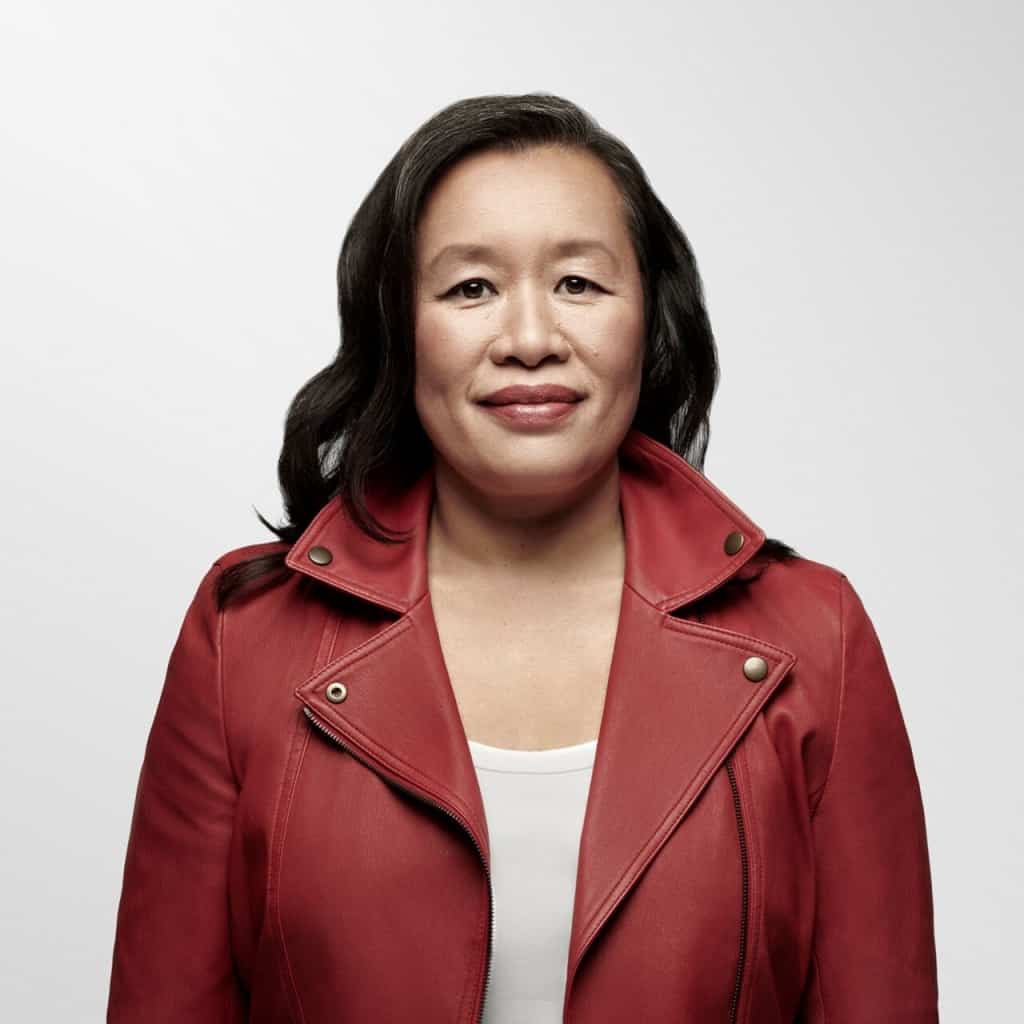
About Que:
Que Thanh Dallara is President and CEO of Honeywell Connected Enterprise (HCE).
She leads our efforts in software innovation, including IoT solutions, data analytics and new business development, leveraging Honeywell’s heritage along with IoT technologies to solve our customers’ toughest challenges.
Que joined Honeywell in 2017 and continues to be responsible for the commercial organization. In this role, she is helping Honeywell grow through the development and delivery of strategy, marketing and sales practices to consistently improve our product portfolio, pricing and salesforce effectiveness.
Before Honeywell, Que served in increasingly responsible roles at TE Connectivity, a global leader in connectivity and sensor solutions. As Senior Vice President, Corporate Strategy and Analytics, she led the strategic growth process, performance management of business units and big data analytics.
Prior to that, Que worked at Microsoft as Senior Director, Strategy, M&A, Integration and Governance for the Consumer Software & Services divisions. She has also held positions at itv|world, Telstra Corporation and McKinsey & Company.
Que earned a B.S. in Applied Mathematics and a Bachelor of Commerce, Finance, at the University of New South Wales, Australia and an MBA at INSEAD in France.
About Honeywell:
Honeywell is a Fortune 100 company that invents and manufactures technologies to address tough challenges linked to global macrotrends such as safety, security, and energy. With approximately 110,000 employees worldwide, including more than 19,000 engineers and scientists, we have an unrelenting focus on quality, delivery, value, and technology in everything we make and do.
Transcript
(Joel Beasley at 00:00:00) Hello, my friends. Today we are talking to Que, the President and CEO of Honeywell Connected Enterprise. And we discuss their journey to apply digital transformation to the operational world, how to manage fear and executives, and three things to consider when going through the M&A process. All of this right here, right now on the Modern CTO podcast. Here we go.
(Joel Beasley at 00:00:24) This is the Modern CTO podcast.
(Que at 00:00:36) Hello. Hey, can you hear me?
(Joel Beasley at 00:00:40) Yeah, there we go. And you can hear me?
(Que at 00:00:43) I can, loud and clear.
(Joel Beasley at 00:00:45) This is a very special episode, Que. I'm so happy that you... You did? Yes. This is our new studio.
(Que at 00:00:52) Oh, wow.
(Joel Beasley at 00:00:53) I know. It's not done yet, so it'll be done by the end of this week. But the lighting is obviously a problem. Okay, I'm sorry.
(Joel Beasley at 00:01:04) So new studio problems. But how are you today? Let's talk about you.
(Que at 00:01:08) I'm great. Sunny in Atlanta. The weather's hot.
(Joel Beasley at 00:01:13) Yeah, we're down in Florida. It's hot too. I love your background. You've got the Honeywell Forge. That is such a cool name. That word "forge," we were talking about it in our show prep, and I just... it sounds really awesome.
(Que at 00:01:26) It is awesome.
(Joel Beasley at 00:01:28) So what is it? Can you give me a little background about what Forge is?
(Que at 00:01:32) Well, Forge is our IoT platform. I think of it as really a data architecture, and it allows us to pull data from the physical world in a very efficient, cost-effective way, normalize it, get it staged for the cloud, and then, well, then we can run analytics and other cool stuff on it. That's what it does.
(Joel Beasley at 00:01:58) So who's using this?
(Que at 00:02:01) We are at Honeywell. We're using it. We don't really sell Forge as a platform. That's not the business we're in. We really are in the business of solving customer problems and giving them value with applications. And because we cover so many industries and work on so many different applications, we needed a platform for ourselves to get to market a lot faster.
(Joel Beasley at 00:02:22) So what? Are you just teasing us then? You've got Honeywell Forge everywhere, and then you don't sell it to customers?
(Que at 00:02:27) We don't sell the platform. We just have the applications on the platform.
(Joel Beasley at 00:02:30) Oh, okay. All right. Yeah, I get it.
(Que at 00:02:33) It's special. You know, you have to work at Honeywell to get to use it.
(Joel Beasley at 00:02:36) Come on now. I know some people that work at Honeywell. I got to talk to Tony over in Quantum Computing. And then, about a year ago, I talked to Sheila Jordan. Do you know her?
(Que at 00:02:47) Well, I hired her into Honeywell.
(Joel Beasley at 00:02:49) You hired her? She is a badass. I really like her a lot. She has this book. I gave it to my wife. My wife loved it, and it was pretty awesome.
(Que at 00:02:57) Well, she's at Honeywell now.
(Joel Beasley at 00:02:59) How did you find her?
(Que at 00:03:01) Well, it took me a year to convince her to come to Honeywell. So you've got to know that Honeywell is a special place if someone like Sheila is there.
(Joel Beasley at 00:03:08) Yeah. My dad worked for Honeywell back in the day.
(Que at 00:03:11) Yeah.
(Joel Beasley at 00:03:11) That's when I found out that they were more than just thermostats.
(Que at 00:03:17) We don't make those anymore.
(Joel Beasley at 00:03:19) You don't make them at all anymore? But your name is on them everywhere.
(Que at 00:03:24) Yeah, but we spun that business out. So Resideo now owns it. It's just branded Honeywell, but we don't make it anymore.
(Joel Beasley at 00:03:32) So they decided to keep the logo then?
(Que at 00:03:34) Yeah, to keep the brand.
(Joel Beasley at 00:03:36) All right. This is exciting. All right, so we talked about Tony, quantum computer guy. Did you hire Tony as well?
(Que at 00:03:44) No, Tony was already there.
(Joel Beasley at 00:03:45) But you hired Sheila. Sheila Jordan, took you a year to find her. But you managed to do it.
(Que at 00:03:53) And that's persuasion. Charming charisma wins the day, you know?
(Joel Beasley at 00:03:58) Absolutely. Yeah. And so then, how did you end up? Who charmed and charisma'd you to go to Honeywell?
(Que at 00:04:05) Well, Darius recruited me to Honeywell.
(Joel Beasley at 00:04:08) And what's his role?
(Que at 00:04:10) Well, he's the CEO of the company. And when he became CEO, he recruited me to help him with a growth agenda. And so it was, you know, I thought it was a pretty amazing vision that he had for the company. And when you have a new CEO come in, people expect change. And I'm kind of a bit of a change junkie. So I knew that people were more receptive to it. And if we wanted to do something like transform to a software business, then this was the place to do it.
(Joel Beasley at 00:04:42) And so that's your primary objective there, is to transform the software business?
(Que at 00:04:46) Yes. I have two missions, actually. One is building a software business that is going to be consequential to the company. And consequential means not 10 to 20% growth, but significantly higher than that. We want to be a big part of Honeywell. That's one, and that's pretty fun. The second one is to help the rest of the company be more software and more digital.
(Joel Beasley at 00:05:12) Oh, excellent. So you help internally as well?
(Que at 00:05:15) Yeah, we help internally. We got some cool projects going on internally. But just to help them, and it's a cultural thing. It's a mindset shift from making pretty important things, like airplanes fly, to thinking about digital and software in everything we do.
(Joel Beasley at 00:05:32) So what are you learning from that shift in such a large company?
(Que at 00:05:38) It's hard. I mean, there is a reason why hardware companies make hardware and software companies make software. Doing something in between is certainly not simple. And it is a total mindset shift and skill shift and business model shift in almost every respect.
(Joel Beasley at 00:05:59) So is the team there? Are they... are you facing a lot of challenges? Are they very receptive? What's the sentiment like? What's the feel over there? Are people excited about this?
(Que at 00:06:10) People are very excited. I think where there isn't debate is that we as a company need to do this. Because if you think about the last 20 years and you look at Internet technologies, it's really impacted two industries significantly. One is media, kind of the business you're in, and the other one is retail. Those things have completely changed. In the next 20 years, it's everything else. And so there's no debate in our company that this is something we have to do. So it's not a fad. It's not like, "Oh, it's a really fashionable thing to talk about digital, and let's go do it." It's really existential because we won't be interesting a decade from today if we don't incorporate software in what we do. Where there's debate is, how do we do that? And how fast is it? And where should we do it? And that's where there's debate and education that needs to happen along the journey.
(Joel Beasley at 00:07:09) So where is your mind at right now? What do you think we should be doing? Pretend I work at Honeywell. What do you think we should be doing?
(Que at 00:07:16) I think that our customers... so I talked about the three things Honeywell does, right? We help build next-generation stuff, we help them turn it on, and we help them run it. Well, what my business does is we help them optimize it. So what we're really doing is we're applying digital and software technologies to optimize their operations. So we're really applying digital transformation in the operational world. So as an example, if I'm an airline, I care about flying a plane from A to B in the most efficient way. So the fastest way with the minimum fuel consumption is safely. That's my optimization need there. If I'm running a factory, I might need more yield or high-quality products being produced. How do I do that? Those are examples of optimization in the operational arena.
(Joel Beasley at 00:08:12) Yeah, I had seen the OT phrase in the prep a bunch, and I was like, "What is that?" So I go to Google it, and the most common search for that is "What is OT?" Can you pretend I'm a three-year-old and explain to me what that is?
(Que at 00:08:29) Well, we know what IT is, right? So IT is information, typically business and financial information that's collected in a company. Well, OT data, you think about it as information that's collected around physical things that happen within a company. And it could be around assets. How's my piece of machinery working? It could be around people. How are my frontline workers performing that task? And it could be around process. Am I running my processes according to the standard operating procedures or the quality guidelines? So there's so much more data in the operational world than the IT world. And the reason why it hasn't been something that people focused on is because it's been so expensive to efficiently collect and make sense of. Right? Because it's easy to get information from a computer. It's a lot harder to get information around a thing, a physical thing. And there's so many different things that are out there, and there's people. And then there's the business process itself.
(Joel Beasley at 00:09:42) I'm a big geek, and I'm just really excited about how everything is changing. And not just for the sake of change, just because I think the future is incredibly exciting. Right? If you go back to the '50s or the '60s or whenever they were imagining the Jetsons-type stuff, they were so excited about that. Well, I feel that we are in such closer reach of these massive technology advancements. It's like we could have self-driving cars right away. I feel like we could have those right now if regulation allowed for them.
(Que at 00:10:24) Mhmm.
(Joel Beasley at 00:10:24) And then I saw you guys were doing some work with 5G. And one of the big applications that we were talking about here were 5G and self-driving cars. Have you guys gotten to work on any of those types of projects that you can talk about?
(Que at 00:10:37) Yeah. Well, not me personally in that use case that you mentioned. But I think you're right. I think, you know, semiconductors... the cost of chips is so cheap now and is getting cheaper that there really isn't a reason why you wouldn't sensorize physical things. And if you can sensorize physical things, you can actually connect them. And if you can connect them on a network, like you connect computers, you can then program them. So now you're programming a physical thing, whereas most people think about software programming for virtual things. So that's a remarkable thing. And what we're doing with Honeywell Forge is not only are we programming physical things, we're controlling them. So we can autonomously control them because Honeywell, as you know, is a controls company. At the end of the day, it's great to have an idea of what to do, but you can actually go back into the building or into the machine and physically do it. Actually, how cool is that? So think of it as a self-driving enterprise.
(Joel Beasley at 00:11:45) That is cool. When you were talking, you're reminding me of... I saw this documentary a few months ago called "Cyborgs Among Us." It's on Amazon Prime.
(Que at 00:11:56) Yeah.
(Joel Beasley at 00:11:57) Have you seen that?
(Que at 00:11:58) No.
(Joel Beasley at 00:11:58) Okay. So these people, it's like this underground society of these biohacker-type people, and they're embedding technology into their bodies. And the way that they're doing it is through tattoo parlors because the laws on surgery... it's an underground industry right now, but it's amazing. So this documentary followed all of these people that have put these sensors inside of their bodies, like temperature sensors, all these different things, real-time monitors of their vitals, and then they just stream that data up. And when you were talking, I was like, "Well, the next step is, you know, you can make artificial limbs, and then there'll be artificial cells, and then you'll be able to program all of them. Then you'll have artificial humans."
(Que at 00:12:46) Yes. That's a scary prospect.
(Joel Beasley at 00:12:48) It is. Well, it's interesting as far as the evolution. I don't know how weird you want to get today on the podcast. As far as the evolution of humans, my favorite discussion point was when I heard Elon Musk say that we're already cyborgs. It's just a bandwidth issue. We already just go to our technology. It's just we have to go from our thoughts to our thumbs. And if we increase that bandwidth, like Neuralink, now we're full-blown cyborgs.
(Que at 00:13:18) That's true.
(Joel Beasley at 00:13:18) Yeah.
(Que at 00:13:18) No, it's true.
(Joel Beasley at 00:13:19) Yeah. You and I, in our lifetimes, will have to face the questions of what is human, right?
(Que at 00:13:26) Right.
(Joel Beasley at 00:13:26) These are real things that we'll have to talk about. It's a lot of change. I was talking with this guy, Paul, from ChangePoint, and we're talking about companies changing. This was right when the COVID stuff was happening. And I was just curious for you guys during that transition... I don't necessarily want to talk about the transition. I want to talk about today. Are you still seeing impacts, or is the organization firing on all cylinders?
(Que at 00:13:58) I think it's mixed. I mean, we certainly have business in the aerospace industry, and that's tough. I mean, it's on its back, and it will take a number of years before it gets back to 2019 levels. But when I... when it comes to my business around digital transformation, "What else can we do?" there's enormous demand. If anything, it's accelerated because people, you know, people who run companies, they need safer workers. They need productivity, and they're running out of ways to do that. You can only run so many Lean programs. At the end of the day, you're looking for other techniques to give you that incremental productivity every year. And so they look at the things that we do with Honeywell Forge as alternatives to helping them achieve those goals. So we see an acceleration, which is exciting.
(Joel Beasley at 00:14:52) What's one of the coolest use cases or things you've seen a customer do with Forge?
(Que at 00:14:59) Well, one of the coolest things is... it sounds boring, but it's very cool. And it's our application around energy management in a building. So if you take company Honeywell, we have 1,200 buildings. It's a lot. And we spend hundreds of millions of dollars just running them every year. And the cost of these things sits somewhere between stationery and telephone expenses. So we don't actually know how much we spend. But what we are able to do with Honeywell Forge Energy Optimization is we can actually optimize our entire fleet of buildings and manage their energy. So it's hundreds of millions of dollars of spend that we can optimize. And we can save somewhere between 10 to 30% of the energy spend. And we do that because we can efficiently collect data. We can run optimization models on them. And then we can reach back into the building and actually make adjustments to your thermostat or your boiler and chiller and optimize the building automatically.
(Joel Beasley at 00:16:09) Oh, that's amazing.
(Que at 00:16:10) Yeah. It is amazing because this is something you cannot do manually.
(Joel Beasley at 00:16:15) And you guys know thermostats too, right? Because you're very...
(Que at 00:16:18) We know how the building works. But in a large commercial building or mixed building, hotel, retail, convention center, there would be thousands of systems that operate that building. You just don't see it. The building looks very nice. But when you go in the back, in the guts of it, there's thousands of pieces of equipment. Our models optimize all of that. And that's why it's so cool. It doesn't actually require anybody to do anything. The algorithm does it on its own.
(Joel Beasley at 00:16:52) But there's a babysitter for the algorithm, right?
(Que at 00:16:54) It's a self... it's a self-driving building, Joel. I mean...
(Joel Beasley at 00:17:00) Somebody watches it though, right?
(Que at 00:17:03) Yeah. No.
(Joel Beasley at 00:17:06) Somebody babysits algorithm at Honeywell. They're like, we're... or, you know, we're gonna... Now I'm curious to know. Little change of topic here.
(Q at 00:17:16) Mhmm.
(Joel Beasley at 00:17:16) You've been there about three years, right, at Honeywell?
(Q at 00:17:20) This is my fourth year.
(Joel Beasley at 00:17:21) This is your fourth year? What is the thing, the accomplishment that you're most proud of, or the project that you're most proud of?
(Q at 00:17:29) I think it's the creation of Honeywell Forge. It took a lot of blood, sweat, and tears. And we're not done yet, but we're well on our way. So when we started, we had hundreds of little projects across the whole company. Everyone was trying to do software.
(Q at 00:17:46) But the approach was basically, "Hey, I've got a hardware widget. Let me put some software around it, and it'll say something about what this piece of hardware widget does." But we weren't really focused on the customer as well as we should have, and we weren't solving big problems. So in my mind, we want to solve big problems that the world has: safety, productivity. And that means we're gonna go after multibillion dollar market opportunities. So that was one big change. Second one was we developed some secret sauce technologically. So why do something unless you've got something special no one else has? So we have something that we think we've built in Honeywell Forge.
(Q at 00:18:31) We think it's pretty special, pretty cool. And then we figured out how to make money doing it. So that's kind of where we are at, and we're at the point now where we want to scale this big time. And when I say scale, I don't mean like 10% growth. I mean, really scale it.
(Q at 00:18:49) So I'm pretty pleased at how far we've come from being a hardware company in such a short period of time.
(Joel Beasley at 00:18:55) It sounds interesting. The way you're describing it, it's like you're an enterprise who's following the same rules as like a startup, just on a different level. Right? It feels like you're starting new businesses within Honeywell. Right?
(Q at 00:19:11) We are. Yeah. No, we are. I mean, we are doing things that I think are pretty novel and that solve a big problem, and we're aligned on that mission. Like, we wanna make a difference. We wanna do something that's cool and remarkable that is a problem worth solving in the world.
(Joel Beasley at 00:19:27) Okay, so I've got a good question for you. Okay. So, because you're getting my gears going. So, let's say you pick this new multibillion dollar market that you're gonna go into, and because I know how to do it on a smaller level, like as an individual with a small team, but I don't know how it looks up there. So that's what I'm gonna get to. So, like, let's say Honeywell, you guys pick this new market. Let's say it's maybe safety, because you mentioned safety. And then you wanna go in here and so you're gonna do some research on what type of products or solutions or problems that you can solve.
(Joel Beasley at 00:20:04) And then you're gonna go talk to customers to understand the problem better. Right? But can you walk me through that startup process as an enterprise and what it actually looks like on a day-to-day execution?
(Q at 00:20:19) Yeah. I mean, look, it's no different from a startup. The first thing you do is you wanna figure out... You have to have an idea of a big business, a big problem a customer has, and a concept of how you might tackle that problem in a way that's five to ten times better than the current approach. So let's say here the problem was, "How do you optimize a factory?" Well, there's lots of ways of doing that.
(Q at 00:20:43) You can do lean. You can buy different types of software that are point solutions. There's lots of ways. But when we looked at that problem, we said, "Well, that's a pretty big problem, but how do we solve it in a way that's 10x better?" And so we had a concept of that.
(Q at 00:20:57) And then you have to go through what most startups go through, which is find product-market fit. Is what you're building aligned with a customer's need? And so in the case of, say, factory productivity, you can solve that lots of ways. You can buy services. You can buy IT software.
(Q at 00:21:17) You can have tools that help you drive a lean, six sigma program. Well, we found product-market fit. We figured out how to scale. We figured out some secret sauce because you want technological differentiation. And then you have to find customers that share your vision.
(Q at 00:21:37) Right? Because when you have a new concept, it's not like there's a market for it. You gotta find the customers who go, "Oh, yeah. I have that problem. I wanna solve it that way."
(Q at 00:21:47) So product-market fit, find early adopters that have a shared vision with you. And then once you've cracked that, then it's just about, can you scale this thing, which is make sure you build it in the right way and scale it and so forth. That's the process we go through.
(Joel Beasley at 00:22:02) Yeah. I'm excited. Okay. So let's back up to you're interviewing customers, or you're talking to customers. So at a startup, it's pretty clear because it's often the founder.
(Joel Beasley at 00:22:17) But at your level, you guys have so much resources. You could boot up a team. Like, when you were going into this new market, were you making the phone calls to the customers? Is the project lead or the CEO of the business units doing it?
(Q at 00:22:31) Yeah. I'm doing it. I have general managers that might be looking after an area. I have a general manager for aerospace, one for buildings, one for manufacturing, and we all do it personally. We are running it like a startup.
(Q at 00:22:46) So yes, Honeywell has a lot of resources, but we don't. We operate like a startup.
(Joel Beasley at 00:22:52) That's amazing.
(Q at 00:22:54) And I have to be convinced of product-market fit myself before I wanna put more money into it.
(Joel Beasley at 00:23:00) That makes sense about the buildings, then, because you had some inside information because you were partly the customer owning the thousand plus properties. And so you... Yeah. It was very clear there because you could operate almost internally and know what you're doing would serve the outside market. That's useful.
(Q at 00:23:16) It is. And the other advantage of doing this within a company like Honeywell is that we have access to customers, lots of them. And not all of them are good for us in terms of proving product-market fit, but a lot of them are, and it's actually figuring out who they are. So we actually solve one of the biggest problems startups need, which is access to customers. That's actually harder than the development itself because we can develop lots of things, you know.
(Joel Beasley at 00:23:46) So, before I had made money by building apps and selling them. So I'd just build an app for a year or so and then sell it, or a company would hire me and I'd build a team and build apps.
(Q at 00:23:56) Right.
(Joel Beasley at 00:23:57) This business that I'm in now is the first time that I've ever run sales teams and the whole gamut and actually operated the business versus just build the technology. So I'm all bright-eyed and bushy-tailed and excited about all of these things I'm learning. And you are exactly right because the other CEOs that I get to talk to that are around my level are explaining to me that their number one source of increased revenue is existing customers. Like, they sell more to their existing customers. That's a larger portion of their revenue than new customers every month. And so that was news for me. I was like, "All right. Well—"
(Q at 00:24:37) Mhmm.
(Joel Beasley at 00:24:37) Clearly, we need to offer another product. Right?
(Q at 00:24:42) Well, I mean, it makes sense. It's the path of least resistance because one, you already have a relationship. And two, they trust you. And so why not start there? Why do the hard part first? Do that part, and then once you do that, then go conquer another area. So we're very focused on not trying to stray too far away from the industries we serve, Honeywell serves.
(Joel Beasley at 00:25:05) Well, it makes sense. Do more of what works and bring more value to... It's not like we want it to be difficult. We're already doing a difficult thing. Let's use every advantage that we have.
(Q at 00:25:14) Exactly.
(Joel Beasley at 00:25:15) Okay. Next question I'm excited about. All right. So when I go do public speaking—
(Q at 00:25:21) Mhmm.
(Joel Beasley at 00:25:22) I did 50 something talks last year. Zero this year, though. The number one most requested topic of conversation when I do paid talks is about fear. It's about getting these executives that are in high-level positions to not be scared. And so—
(Q at 00:25:39) Of speaking?
(Joel Beasley at 00:25:40) Oh, no. Of taking action as a business unit, like as a head of a business unit.
(Q at 00:25:45) Mhmm.
(Joel Beasley at 00:25:45) Like, trying new things. And I was actually surprised because, you know, for me, I'm just always around creative people and founders, and you don't... When you have an enterprise company and, you know, you maybe have 50 executives across the world that are heads of business units that have already been there for 20 years or got bought and then rolled into the company and they're just kinda hanging out... Fear just tends to be a topic of conversation that people are continuously asking me to speak to executives about. I think it's heavily culture related, but I'm curious for you, because you're in this spot right now where you're in a large enterprise, you're acting like a startup. How do you manage fear within executives?
(Q at 00:26:29) Well, what I look for... I look for two traits in what we do now in our business. Because remember, we're inventing stuff, and we're builders, and we want to release new things all the time. So the two traits that I look for is I look for highly confident people because they're more likely to think big and be audacious about what can be achieved. And they're not happy with the status quo. So they're imagining a world in a very different way.
(Q at 00:27:01) But I also look for highly humble people because in that humility, you're gonna be skeptical of your own idea. Because you don't wanna fall in love with an idea that's bad, and launching bad products fast isn't a great thing. So you want confidence to wanna tackle the mission, but you want humility to question yourself and say, "Is that the right way? Should we make a change? Are we getting indications from the market or customers that they like it? How should we do things differently?"
(Q at 00:27:31) And so those two traits together at least help you not be arrogant and also help you challenge your own thinking. And bring on diverse teams that can challenge your own thinking. And because we're competing for the customer, we want them to have the best experience, and we want them to have the best results from what we do.
(Q at 00:27:54) So we compete for them. And so we should be prepared to debate ideas and come up with better ones.
(Joel Beasley at 00:28:00) You're giving me goosebumps. I love it. You're very... you're motivating. I don't know if you know this about yourself, but you're passionate.
(Q at 00:28:06) And—
(Joel Beasley at 00:28:06) When you... I always say there's no motivational speakers. There's just people who are motivated in life, and sometimes they get on stage and speak.
(Q at 00:28:14) But, Joel, you know this. It's more fun to do something new. And to the question of fear, in my case in Honeywell, a lot of people would look at the role I have and go, "Oh my god. That's really career risky. And you could be running a big division and everything's stable. And you have more people, and it's much more certain."
(Q at 00:28:29) And I say, "It's an existential question for Honeywell. Ten years from now, we will not be an interesting business if we do not have digital and software in our shop." Someone has to do it. And I might as well do it, and it'll be fun along the way. So I don't think of risk in that way.
(Q at 00:28:54) I mean, I'm not reckless, but I am... I guess I'm a change junkie. Yeah. I like the change.
(Joel Beasley at 00:29:01) No. You're exactly right. I mean, me too. I like things to be new and fresh. And personally, you know, one of the things we're struggling with is, like, operating a business is you wanna do new things all the time, but it's often the things you were doing that are bringing you in cash.
(Joel Beasley at 00:29:17) So, through journaling, through self-reflection, those types of skills is how I keep my creativity in balance with what we're doing. And then also having a really, really strong executive team that will challenge questions, that will have their own ideas. I've... that has brought in balance to my circle.
(Q at 00:29:39) Exactly. There you go.
(Joel Beasley at 00:29:41) Yeah. No. You're—
(Q at 00:29:42) Following in your footsteps.
(Joel Beasley at 00:29:43) You're awesome. This is a good interview. I like you a lot.
(Q at 00:29:47) I like you too, Joel.
(Joel Beasley at 00:29:49) Have you seen this thing called Portal? It was in the news recently, and it's like this 3D hologram teleconferencing thing? Have you come across this one?
(Q at 00:30:01) I haven't come across that one, but I've come across other similar technologies.
(Joel Beasley at 00:30:06) What do you think? Because I don't know. I don't know if those are... I mean, I feel like I'm... I hate being a naysayer because I don't wanna be that person that when the computers are the size of a room, you say computers are never gonna be anything.
(Q at 00:30:19) Right.
(Joel Beasley at 00:30:19) But I guess what I'm saying... I don't know too. Is, like, I don't know if... I wouldn't buy one today. But they're really cool looking.
(Q at 00:30:28) They are cool looking, and they're probably expensive. But here's one way I look at new technologies. The problem with new technologies when we look at it today is they're generally inferior to conventional technology. Like, take the mobile phone. It's a bad computer when it first came out.
(Q at 00:30:45) It doesn't have a keyboard. It didn't have a screen. Didn't have a lot of compute. And so it's easy to dismiss new technologies as something that, "Well, it can't really solve the problem that a computer can solve, a desktop computer." But it does one thing really well.
(Q at 00:31:01) And in the mobile phone, it gave you location services. It gave you location. A desktop doesn't do that. So without a mobile phone today, there would be no Uber. There would be no DoorDash.
(Q at 00:31:17) So the fact is, even though when it first comes out it looks inferior in lots of ways compared to conventional technology, it does one thing super well. And when you look at what that one thing super well is, that's the gateway towards new services that you can't imagine today.
(Joel Beasley at 00:31:35) So what's the one thing for Forge?
(Q at 00:31:38) Forge isn't a new computing paradigm so much. I think what we're trying to do is make it really easy to collect data. It's economical to collect data and efficiently collect data from the physical world. That's one thing we're trying to solve.
(Q at 00:31:56) And the second thing we're trying to solve is we're trying to make it as scalable as the IT world is. So we call this extensibility. That's a very complex data architecture that we've put in place, and we think it's pretty special. And then the third thing is we're trying to drive what we call autonomous control, which is this closed-loop execution. And we're able to do all of those three. It would drive significant value for customers.
(Joel Beasley at 00:32:25) And then who are your customers today? Like, who do you target? Who's most likely to purchase technology from Forge?
(Q at 00:32:35) We target business leaders in the C-suite. So they could be CFOs or COOs or CIOs.
(Joel Beasley at 00:32:43) We've got a few of those on the show.
(Q at 00:32:45) Yeah. Yeah. Well, exactly. You should give them my card.
(Joel Beasley at 00:32:49) Done. And I'll give you an amazing recommendation.
(Q at 00:32:51) Oh, thank you. Yeah. I have a cool email address, by the way.
(Joel Beasley at 00:32:55) What is it?
(Q at 00:32:56) It's the letter Q at honeywell.com.
(Joel Beasley at 00:32:58) Oh, come on now.
(Q at 00:32:59) That is... Yeah. I know. It is. It is. How cool is that?
(Joel Beasley at 00:33:02) That is really cool. Did they have that available, or did someone cry because it got taken away?
(Q at 00:33:07) No. No. No. No. I managed to finagle a pretty cool email address.
(Joel Beasley at 00:33:14) So you know how to get around. I wanna know about — I'm sorry, go ahead.
(Q at 00:33:18) Yeah, go ahead. No, so I forget what we were talking about.
(Joel Beasley at 00:33:22) Well, because I wanna go into M&A stuff because you have background. You have a lot of experience in mergers and acquisitions, and you just sound like a very sharp person who knows how to focus, achieve results, and just a load of experience. And so I'm curious, what are some of the takeaways from your, you know, seven, ten-plus years in mergers and acquisitions? Like, if I had to say I'm interviewing you today and she's gonna give me, like, the top, you know, one to three things that are important in a mergers and acquisitions scenario, what would those be?
(Q at 00:33:57) I think a couple of things. I think at the end of the day, acquisitions have to create value. And so you have to have a thesis for why you're the best owner of a business you wanna acquire. And it can't be because of ego or vanity or you wanna be the biggest. It's gotta be how do we think we can create more value? So the business you buy needs to fit into your model, how you create value for your investors. And so as an example, in my software business, if I went and bought a business — I don't spend a lot of capital because it's all people. You know, we code and we produce software, so we don't have to incorporate a lot of capital. But if I went and bought a business that had a lot of investment in capital, that wouldn't really fit my model as an example. And so I'm not the best owner of that asset as an example. So I think you've got to have a clear idea of how you're gonna create value over and above the price you pay. The second thing is the people. You've got to have a cultural fit with how you work and how they work. You know? And that's one of the reasons why we created Honeywell Connected Enterprise, the software business, because we're kind of misfits within Honeywell. I say that affectionately. My leadership team is called the Get Stuff Done team because, you know, why would you like the corporate label? It kind of sounds like Dilbert. So we're the GSDT. And so when we talk to startups, they feel like, you know, we're kind of a similar group of misfits that can get together and create something special. You know? So the people side is important. And the third one is don't overpay. It's very tempting to go get something, but there's gonna be a price at which it doesn't work, and it's hard to generate the value. So you've got to be careful of the price you pay.
(Joel Beasley at 00:35:48) Oh, that's good. See, that's the experience coming out so fast. Okay. So let's go personal here. So you are like an executive of a large company, you know, lots of responsibility, right?
(Q at 00:36:03) Mhmm. Yep.
(Joel Beasley at 00:36:04) For me, myself, I was just out in Colorado last week. It was the first time I traveled the whole year, but I did that in order to, you know, get out and clear my mind and kinda like reconnect with myself. There's this — for me as an individual, being alone with myself, like, really allows me to connect back to the most important things and then determine how the current path I'm on helps me achieve those things. I'm curious, like, how do you disconnect? How do you take care of yourself?
(Q at 00:36:32) Well, Joel, you're very wise to do that. A lot of people don't do that, you know, because I think people think about time management as being the scarcest resource. But actually, I think the scarcest resource is your energy. And so if you don't find a reservoir to generate energy, then you can't give energy to others. And if you can't give energy to others, then you can't motivate them and help move the organization, particularly if you have a large organization. So I think you're very perceptive in doing that for yourself. For me, I like to spend time with my family. It's kind of a boring answer, but I like to do that and I like to read a lot because it helps me with new ideas. And I like to spend time with people who come from different environments. My sisters are in the media industry, so they're in film and television, and so they're different. They're not corporate types, and so they laugh at me when I speak because apparently I sound very corporate and my Australian accent is going, so I get a lot of hell for embarrassing the country that way. But, you know, I get different perspectives from creative types and, you know, people who are in different fields, and it makes you think differently. Because you want the creative and perceptive shifts in business so that you can see new things that people aren't necessarily seeing.
(Joel Beasley at 00:37:51) Have you ever come full circle where you create so much variety in your life because you desire it that you realize you need some more structure?
(Q at 00:38:00) Yeah, I'm sure that's true.
(Joel Beasley at 00:38:02) You know?
(Q at 00:38:02) An overused strength is a weakness.
(Joel Beasley at 00:38:05) Yes. I've definitely done that. You get too creative for too long of a period of time, and you're always doing new, new, new, new, new, and then you realize I'm not grounded. And so for me, life has become this unbelievable balancing act between having a routine but yet time for like creativity and then that structure. And then basically I call it like spectrum swinging, right? Like, getting that pendulum like tighter and tighter and tighter to where I can have a focused life, run a family. I have a family. I have a three-year-old daughter and a one-year-old son.
(Q at 00:38:39) Mhmm.
(Joel Beasley at 00:38:40) And some puppies. But—
(Q at 00:38:44) It sounds like bedlam. Yeah. I have young children myself.
(Joel Beasley at 00:38:49) Oh, how old?
(Q at 00:38:50) I have twins who are six, and I have an eight-year-old.
(Joel Beasley at 00:38:53) Your hands are full. So did you read Sheryl's book then?
(Q at 00:38:57) No. I'm always about to declare bankruptcy on the reading front because I just can't — it's hard to find the time to get through all the books I wanna read.
(Joel Beasley at 00:39:08) You and me both. Every time a guest comes on, I'm like, they have like seven articles or ten books. And I'm like, I have my team — I was like, alright, go through, and I train them like how I read content and try to find like the most interesting stuff because I love everyone, and I like getting to talk to the human. But if I actually read everything, I would put out like no content.
(Q at 00:39:30) Well, how many books do you read a year? I used to read twenty, twenty-five a year. I was pretty disciplined, but now I'm well off that.
(Joel Beasley at 00:39:39) Yeah. So when I found out about the power of reading, I went insane, you know, twenty, fifty-plus books, you know, doing whatever I can. And then I got to this maturity after like two years of doing that.
(Q at 00:39:53) Mhmm.
(Joel Beasley at 00:39:54) Where I realized, okay, there's actually this problem that can happen where you're searching for information or insight too much, and then you're not getting your own experience. And then you need to get your own experience and take real actions, and then those things will stick with you. You know, lessons can be expensive, and those are the ones that you never forget, right? Or they can be painful and you never forget them. But then I kinda backed up, and so now I'm reading based off of like whatever I'm interested in. And I guess it's different because when I first got into it, I was reading on like how to be successful at business.
(Q at 00:40:29) Mhmm.
(Joel Beasley at 00:40:30) And there was just a million different ways. Like, everyone had a system. And what I realized after — like, if I were an AI algorithm, after consuming all of that data, what I realized is they all have — each person has like one system and they execute it consistently. So I need to stop searching for a system, pick any one of them and just execute it for a decade and then I'll be good to go no matter what.
(Q at 00:40:51) Yep. Yep.
(Joel Beasley at 00:40:53) So yeah. I'm not reading a whole lot these days. I have been getting into — well, I do audiobooks, but some people don't think that's reading. If we say audiobooks are reading, then I guess I read, you know.
(Q at 00:41:05) Well, I like podcasts too. Podcasts are interesting to listen to people's discussions, especially the long-format ones where they're two or three hours. You get really deep into an area. It's pretty cool.
(Joel Beasley at 00:41:15) Yeah. Especially ones with Q.
(Q at 00:41:20) I'm pretty sure you don't wanna inflict two hours of me on anyone.
(Joel Beasley at 00:41:24) No. I think we do. Your job is to be modest, and my job is to be super excited. Alright. So what's like the thing that you have read recently that was really good?
(Q at 00:41:36) Well, the book I read in the past week that just came out was called Titans. It's by Scott Davis, and it's really about the industrial giants. It covers GE, Honeywell, and Danaher. And so it has some lessons from the industrial world for the startup world. So I thought it was interesting. It was actually an interesting book to read.
(Joel Beasley at 00:41:59) Favorite part? Favorite takeaway?
(Q at 00:42:02) The Honeywell chapter is pretty good.
(Joel Beasley at 00:42:04) What is it? What did they talk about for Honeywell?
(Q at 00:42:05) Well, they talk about how Honeywell transformed. It was in the depths of despair and was a really struggling business and how Dave Cote really, you know, the point you made about consistency, transformed the organization and created enormous value for employees and shareholders. And so it tells a lot of those stories. And it's nice, you know, it's interesting to see visionaries and different leaders, even in industrial companies, create enormous value.
(Joel Beasley at 00:42:35) Yeah. It's almost like fear can sometimes paralyze, but it can also propel you forward.
(Q at 00:42:42) Yeah.
(Joel Beasley at 00:42:42) So it's not necessarily bad.
(Q at 00:42:44) No. It's not bad at all.
(Joel Beasley at 00:42:46) Yeah. Like, Musk is a titan of like today. Are you a fan of him?
(Q at 00:42:52) He is a creative force. The number of ideas that he can come up with at any point in time is remarkable.
(Joel Beasley at 00:43:01) Yeah. Have you ever gotten to meet him?
(Q at 00:43:04) I've not had a chance to meet him yet. No.
(Joel Beasley at 00:43:06) I was talking to Adam, one of our production engineers. One of his friends was like, I got to meet Musk, but it was more like me standing under a rocket engine while he talked to his friends next to me.
(Q at 00:43:18) I was like, dude—
(Joel Beasley at 00:43:19) I was like, I guess that counts. Did you say hello? I said he should have taken his camera and like gotten a selfie, like, but even though Musk didn't know, like, from behind. Oh, this is good. So you're mainly in Atlanta then? That's where you hang out?
(Q at 00:43:36) I'm in Atlanta. At least this year I've hung out here. But normally, I'm on the road 50% of the time.
(Joel Beasley at 00:43:42) Okay. And then you had, or you have, and you talked about it going away, an Australian accent. I'm assuming you spent a good part of time there.
(Q at 00:43:50) Yeah. I grew up there.
(Joel Beasley at 00:43:51) Oh, okay.
(Q at 00:43:52) Yeah. So, grew up there. Went to university there. I've lived in the US now for seventeen years.
(Joel Beasley at 00:44:00) Oh, wow.
(Q at 00:44:00) But prior to that, I was in Australia. Had a much better accent.
(Joel Beasley at 00:44:05) I think your accent's great. Do you still have family over there?
(Q at 00:44:08) I do. I have family over there.
(Joel Beasley at 00:44:10) Nice. So you get to go from time to time.
(Q at 00:44:11) Yeah. No. It's a great place.
(Joel Beasley at 00:44:14) Does Honeywell have offices in Australia?
(Q at 00:44:16) Honeywell does have offices in Australia.
(Joel Beasley at 00:44:18) You guys have offices everywhere.
(Q at 00:44:20) We have offices everywhere.
(Joel Beasley at 00:44:21) There's a big one right on the interstate, so like everybody sees it in Tampa. And so like for me, that's what Honeywell is because you just see the giant Honeywell sign every time in that building. It's been there for as long back as my memory goes. It's been there a while.
(Q at 00:44:35) Yeah.
(Joel Beasley at 00:44:38) Well, it is 3:00. I wanna be respectful of your time. Thank you so much. We're gonna have you on again, like, next year when the studio is like all finished, and we'll catch up and see how things are going with Forge. Is that cool?
(Q at 00:44:48) Cool. Absolutely.
(Joel Beasley at 00:44:49) Awesome. Have a great day, Q.
(Q at 00:44:50) You too. Take care. Bye-bye.
(Joel Beasley at 00:44:55) Thank you so much for listening. And if you found this episode useful, please share it with a friend or colleague who you think would get value from it. And if you have topics that you'd like to hear discussed on the podcast, either add me on LinkedIn or send me an email, [email protected]. Every time I get an email or LinkedIn message, it absolutely makes my day and inspires me to keep going.