
Episode 211 ·
Dave Isbitski - Chief Evangelist for Amazon Alexa
DAVE ISBITSKI RETURNS!
Today we are talking to Dave Isbitski, the Chief Evangelist for Amazon Alexa. And we have a deep discussion on the transition to a remote work society, why self branding is more important than ever before, and tips and tricks for dealing with difficult emotions.
All of this, right here, right now, on the Modern CTO Podcast!
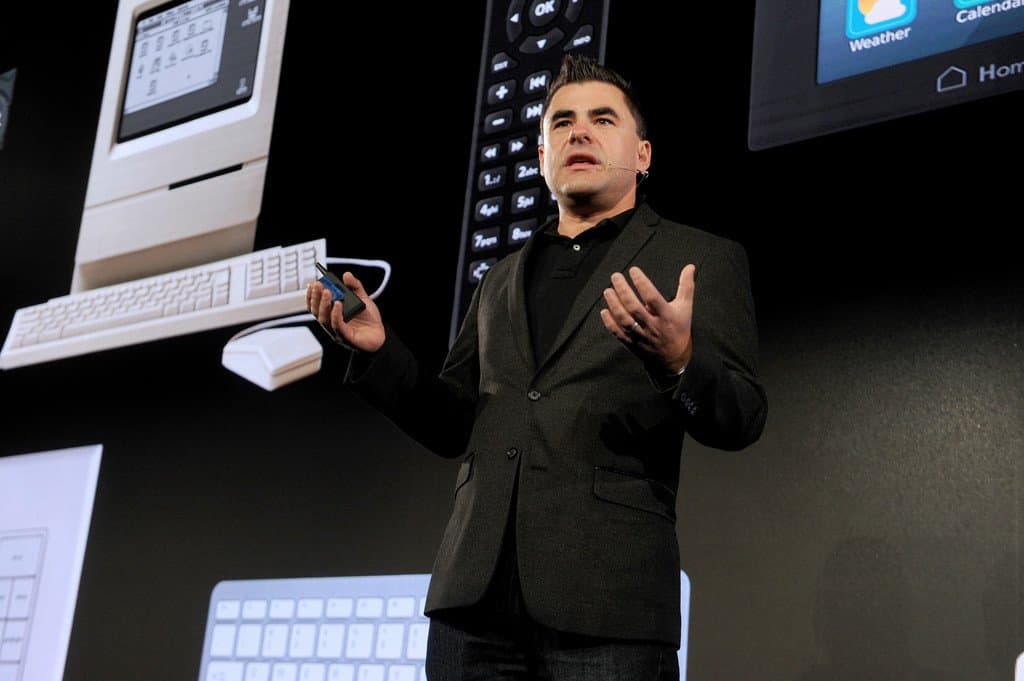
About Dave:
Dave is currently the Chief Evangelist for Alexa and Echo at Amazon. He has been a professional speaker, trainer, and evangelist for over a decade. He has taught full-day courses on many topics including voice design, natural language understanding, mobile, and the cloud. Dave has helped launch numerous technology platforms and devices while at both Microsoft and Amazon. He is an author for LinkedIn and can be found on Twitter as @TheDaveDev, TheDaveDev.com as well as on the official Amazon Blog.
Transcript
(Joel Beasley at 00:00:00) Hello, my friends. Today we are talking to Dave Isbitski, the Chief Evangelist for Amazon Alexa. And we have a deep discussion on the transition to a remote work society, why self-branding is more important than ever, and tips and tricks for dealing with difficult emotions. All of this right here, right now on the Modern CTO Podcast. Here we go.
(Joel Beasley at 00:00:22) This is the Modern CTO Podcast. Hello, hello.
(Dave Isbitski at 00:00:35) How are you?
(Joel Beasley at 00:00:37) It's Dave Isbitski. What's going on, buddy?
(Dave Isbitski at 00:00:41) Oh man, I'm loving the beard.
(Joel Beasley at 00:00:44) I know. It's new.
(Dave Isbitski at 00:00:45) This is my skater hair from the nineties that I kept too, man. I basically, there's so many pictures of me and videos of me for the years with the corporate cut, and so I just let all this grow. And then once I got hair, I just shaved it down around the back, and my kids were all like, "Keep it, Dad. It's cool." So I was like, alright. And I love seeing how everybody's a little different now coming out of when we couldn't get haircuts. And that is just a fantastic beard that you have. Mine doesn't connect, which is why I always do this, because it'll never connect here. So it always looks weird where it doesn't come out. And then right here is a—I don't know what happened when I was a little kid or something—but it's a blank spot. But yours is like perfect symmetry and full. It's very nice, man.
(Joel Beasley at 00:01:37) Yeah. So it started out with—and by the way, your hair looks great. Like, I'm sure there's a nineties boy band reference in there or something.
(Dave Isbitski at 00:01:47) Well, I was a skater. I went on a Tony—Tony Hawk is what I would ride to school and keep it in my locker. So it's funny because my wife, we've been together 23 years now, and this is my haircut from when we met. So she keeps laughing. She's like, "This is what Dad looked like when I met him."
(Joel Beasley at 00:02:06) Well, it definitely looks good. Before the episode, I was looking—your pictures are in the research and the show notes and everything—so I saw a bunch of your pictures, and when I joined, I was like, "Oh dude, Dave got more attractive. Good for him."
(Dave Isbitski at 00:02:20) And you as well, man. Thank you. I really appreciate the compliment, but yeah, looking good.
(Joel Beasley at 00:02:24) Yeah, I started growing it because, you know, well, the COVID thing was happening, and then my wife was like, "I like it. You should keep it." And then it just kept going. And now it's like six or seven months into it. It's pretty crazy.
(Dave Isbitski at 00:02:41) Yeah, yeah. I mean, same story for me, man. You run it by the family, and if you get encouragement, then it's like, alright, and you figure it out.
(Joel Beasley at 00:02:51) I almost got too much encouragement. Everyone was like, "Oh, it looks so good. It looks so good." I was like, "Well, did I look bad before? Let's cover my face up more."
(Dave Isbitski at 00:03:01) I know. I got the same thing, and I'm just like, yep, I'm gonna keep it. We'll see how long it goes. But yeah, it's good. It's one of the positives that's come out of this, right? It's a chance to kind of remake how you present your face, whether it's facial hair. And I'm amazed—it's kind of like window treatments and how much it can change a room. It's amazing what facial hair and haircuts can do to change people's appearance too.
(Joel Beasley at 00:03:29) Oh yeah. And your feeling and your mood. We're actually—is that a little studio you have now? That's new?
(Dave Isbitski at 00:03:38) Well, so yeah. I don't know if maybe I didn't have this. This was like—so this is still the unfinished basement. So I think when we talked, I was in here, but I hadn't created all this yet. So this is probably about a year old. It was definitely pre-pandemic when I got the official mic and made this into a little podcast studio. So I've got multiple cameras. I got one over there and here that I can switch, and then I've got lighting and I got a green screen. But it's funny, man. Even big professional events, they all want to see this and not my green screen, because there's tchotchkes and, you know, I mean, it's all World of Warcraft and Skyrim posters.
(Joel Beasley at 00:04:16) Oh, it's amazing.
(Dave Isbitski at 00:04:17) It goes all around. Here, you can see. Oh, wow. And then there's, like, all around. Yeah, yeah. It's my creative space. It's like when I'm here, I can think. So it's something for people to look at. So yeah, this is all new. And then I got a new Mac Mini here that's got the fastest i7. So when I'm doing video and other things, it's nice because I used to be running everything off a MacBook, and I'd have to turn the wireless off and on. Now this just works. So I'm almost like I've accepted the fact that a lot of what I'm doing now is online. Yes, I have—you know, I have everything. I miss events terribly. I have not been on a plane since January for work.
(Joel Beasley at 00:05:02) That was actually one of the things I was talking with the producer, Jake. I was like, that's the first question I have, because you travel a lot. Last year I did 50-plus events and, you know, just constantly going, and that momentum. And then it just came to this grinding halt. And it took me—it was difficult for me socially, and with my routine, you have to restructure all of your routines and everything.
(Dave Isbitski at 00:05:26) Oh, so yeah. And we can talk about—I don't know when you want to start.
(Joel Beasley at 00:05:30) Oh, we're already in—we're already like seven minutes into the interview. This is it, man.
(Dave Isbitski at 00:05:33) Oh, okay.
(Joel Beasley at 00:05:34) Yeah, we're in. Yeah.
(Dave Isbitski at 00:05:35) I won't hold anything back then. So I will talk to this because I've helped—I've had to, because I worked this out myself, I mean, like really worked this out, like journaled stuff, really thought about what I was feeling—and I've been able to help some other people through it too. And so what I realized is I actually had to go through a grieving process, because the best part of my job, in my opinion, was getting to see people and traveling the world. And that was ripped away from me. And so I realized for a good two, three months, I was shell-shocked, but I didn't accept that. I was like, "Everything's gonna be better, and eventually we're gonna get a vaccine." But—and I think everybody, even at Amazon internally, we would all turn on our webcams and just kind of talk it out. And everybody was going through that too. And you would, one by one, see these big events, like dominoes, hold off. And there were so many unknowns.
(Dave Isbitski at 00:06:36) And I realized some of the things that I had was that it was a break for my family from me, and it was a break for me. Some of my biggest thinking was when I was traveling, because I didn't get to be Dave the husband and Dave the dad from a logistical, everyday, in-your-face—you know, I'm still obviously the dad and the husband, but you could focus your time in a given day on these other things. And it was very much like I got to be another person. And when that was ripped away from me, I started eating a lot. I started putting on weight. I started having an extra scotch every night, and I realized, "Alright, now I'm falling into this escapism."
(Dave Isbitski at 00:07:18) And it was really when I was journaling, and it was my oldest daughter, who just turned 16 during all this too, actually called me out on it. And she's like, "Dad, what you're feeling is useless." And she's like, "But we all feel useless." I was like, "Where did you get so wise?" And I was like, "Alright, so what are the benefits now?" And I realized time, right? And I always wanted time. And I'm like, one of the things that bothered me is that I'd be on these really cool fitness—in the—like, I'd go into these bulk cycles, and I'd be doing weights three days a week, and I'd be at it, and I had everything down, and I'm doing intermittent fasting. And then all of a sudden, it's disrupted by this travel for two weeks. And you don't know if you can even get into a weight room. You don't know when you're gonna eat. Your sleep is completely—and I remember saying, "If I just had three straight months where I could block out every hour the exact same thing, I could really do some things that I haven't been able to do." And I'm like, "Idiot, you have that now."
(Dave Isbitski at 00:08:32) And so that was the turning point. So I went back. I actually now—I'm down weight. I actually dropped even more than when I was pre-pandemic. So it's like I went like this, right? And then I was heading towards bottom, stopped myself, and then started to accept, "What are the positives of what I have right now?" And for me, it's accepting the fact that—and I've never had this in my kind of roles—is that I can actually have a steady schedule every single day of the same thing. And I thought that would drive me mad because I love new things and the way that—but there's actually some—it's given me stability in this time of unrest is the best way I—so I know what time I get to go on my treadmill. I know what time I get to talk to my kids. And here's another thing. I don't know about your family, but all of a sudden, because we were all home, we started having meals more together, which I realized we weren't doing because we all had these busy schedules. So suddenly, as a family, a couple times a day, we're sitting down and we're breaking bread, right? And we're talking about what we're doing. So I'm like, that's really where I am.
(Dave Isbitski at 00:09:38) And then that's flowed into my professional work where I realized that sometimes at work I'd have an emotion—and I don't even want to classify it as bitterness—it's just kind of angst, where maybe you weren't as patient as you thought you should be, and maybe you had some anxiety where you felt like you should be making more progress. And I realized a lot of that wasn't work at all, but was this desire to have a little more control over what my time looked like. So it's actually liberated me at work where I'm in this zone where I'm super peaceful, just grateful to be what I'm doing. And I have not—I haven't had that in a while, you know, to be honest. I've just—it's just been going, going, going, and you're always trying to—you're like, "I wish I could make more headway in this." And suddenly I'm super chill. And so, you know, just so that if there's any positive that's come out of this pandemic, is I've realized that even though I fought it, but having that kind of routine and that understanding of when I can do my me time every day, and then having more family time has—and I understand all families are different—but for me and my family, it's actually flowed into other areas of my life. So I'm more grateful and realize more of what I have now than ever before, if I had to say it as a positive.
(Joel Beasley at 00:11:01) So I'm actually out in Colorado right now, and this is the first time that I've left my home city since the pandemic. And—
(Dave Isbitski at 00:11:11) Right.
(Joel Beasley at 00:11:12) You know, so it's been six, seven months. But, so I came up here by myself. My wife and kids are back at home. But, you know, one of the things that prompted this trip was discussing how the relationship changes too. As you were talking about with your wife, your relationship will change because you're around all the time now. And everything sort of changes. You have to kind of find that new balance. But one of the things—one of the downsides—was that we didn't get to miss each other, right? Like, we actually removed that element from the relationship. It's like we were on this pattern where we're together for a week or two. I'm gone for a couple days. She misses me, you know, just enough time.
(Dave Isbitski at 00:11:49) Same thing. Yep.
(Joel Beasley at 00:11:50) Yeah. And then you remove that element from the dynamic of the relationship, and it actually creates—well, for us, it wasn't good until we recognized it. We're like, "Hey, we just basically had to talk about it a little bit," recognize that things had changed. And it's hard because a lot of those things are intangible and hard to articulate. So we just, you know, had a discussion back—
(Dave Isbitski at 00:12:10) It comes across as just a feeling. Yeah, yeah.
(Joel Beasley at 00:12:14) Yes. Yeah. So you mentioned earlier that you had been helping some other people. What sort of advice? Have you been giving advice or noticing any trends helping other people with this?
(Dave Isbitski at 00:12:24) Yeah. So it's so unique to everybody. So if I had to generalize it, I would say this: the age and stage of your children has affected people in ways that weren't affecting them pre-pandemic. So if you had a very busy job and you were both working, and suddenly you've got little ones at home that you need to take care of, that changes everything. And that has made people—I mean, just, and I've heard from people, you know, just in my network. So this isn't just an Amazon thing. But I can say definitely in Amazon, I have seen people that have decided to switch roles. I've seen people who have decided to take leaves of absence. And I think the good part of it that I would say is that it's forced people to realize where their priorities are. And there's things that we've all kind of just accepted or just let slip, but you can't when you're in this new day-to-day.
(Dave Isbitski at 00:13:18) And then at the same time, the workforce is changing, right? So here's something I should probably talk about. So I've been in this remote virtual office for 15 years. Not this one, but I've been in this role where half the time I was on the road with customers, the other half I'm doing things online or at home. And I've never felt closer to team members than I do now. And so why is that? And the reason is that everybody is in front of a computer and has to communicate through the same channels I've had to. So in the past, what would happen is people would—through no fault of their own—they would just decide to have a side meeting, or they'd forget to dial me in. And I've always dealt with that feeling of not being part of the core group because I wasn't there, right?
(Dave Isbitski at 00:14:22) And what started—what happened was, not that I was ever looking for this, but the first couple of weeks of the pandemic, I had people apologize to me. And they would say things like, "I never understood what this was like." And I'm like, "Yeah, it plays tricks on you, on your mind." And I said, "Number one thing you need to remember right now is nobody's thinking about you. They're thinking about their own stuff," which people forget, and you could just use in life, right?
(Joel Beasley at 00:14:48) Yeah.
(Dave Isbitski at 00:14:49) And so I'm like, "When you talk to people, let them tell you what they're feeling and what they're going through right now, because we don't have a lot of those outlets." And so that kind of formed informal—just turning on webcams—and you saw that with people with Zoom meetings and things like that, right? And then I also reminded people, I said, "What you're going through isn't what it was like for me being a virtual employee. What you're going through is surviving a pandemic. Even though I may have not been physically in the location, I was not dealing with social unrest and worrying about getting the virus and all these other things and economy and businesses being shut down." I said, "That's new. So everybody's trying to figure this out. Everybody's new, including me. I just happen to have a couple of tools and, like, you know, like we're talking about the podcast experience."
(Dave Isbitski at 00:15:39) I was set up to do this, but it changed the entire landscape for my business too. I don't know about you. Live events for me before was I could think in my head about what I was going to do in a keynote, and I had enough of a relationship that sometimes I could change that right up until I was going to go on stage. And a lot of the event producers were cool with that.
(Dave Isbitski at 00:16:01) And in fact, they enjoyed that because we could announce something the day before, and then I would address it and talk about it. So it was very fresh, engaging content. That is not the case in a pandemic world. It is literally a month before almost every event I've done, a month before, because they need time to edit, produce, get all these other things. So a month before, I've had to articulate and finish what I was going to say, record it, edit it, produce it, somehow get these gigabyte videos to them, and then wait for the event.
(Dave Isbitski at 00:16:38) And everybody's doing that. So March and April, man, I was recording four keynotes every two weeks. It was driving me insane. And now I'm trying—here's the other mind thing that happens if you do events, if any of your listeners are involved. When I was talking in person, a lot of that, even if it's recorded, is not immediately put online.
(Dave Isbitski at 00:17:00) But in a virtual world, I started worrying about, do people think I'm plagiarizing my own talks? What's different? What did I say differently in this one versus this one? Because if it's all online, what's unique anymore, right?
(Dave Isbitski at 00:17:15) And I never had to deal with that. And what was cool is a lot of the anecdotes would come out because I made them relevant and present, and so they would be a unique spin for that day. So I dealt with that too. And I'm seeing a lot of that with people is figuring that out. If they have little ones, what does it mean to have them—I've been very fortunate where I am, where the virtual learning for the kids was good.
(Dave Isbitski at 00:17:40) But there are parents who told me, you know, they wound up homeschooling, depending on where you are, and just tremendous, tremendous stress upon people. And what's unique about the time is that not only is there that stress, there's stress on companies and organizations. So it's like you're going through home life. It's the first time in my life I've ever seen home life is changing and work landscape is changing while the industry is changing and society is changing. So you got these four huge shifts that affect everything.
(Dave Isbitski at 00:18:11) Right? And so I'm not immune. My home life changed. My workplace changed. The whole live events industry, you know, has changed.
(Dave Isbitski at 00:18:19) And it's certainly the culture has changed everything. To this day, my hometown, there are people out there protesting things, which is good to see that there's a lot of the apathy is gone, but it's also a little scary at the same time, especially for my kids. You know? So, I mean, no, I know that's a long answer to what you're asking, but I think it's important. Any leader in an organization right now needs to be thinking about that—my employees are processing home change, work change.
(Dave Isbitski at 00:18:51) I'm now going through an industry shift. What does it mean? What does it mean to manage people in this pandemic? And for me, I had to say, okay, I'm actually taking on a new role whether I realized it or not because the role's different.
(Dave Isbitski at 00:19:03) Right? And so I think that's important in the workplace to kind of look at that too. So I actually—what helped me, I don't know if this will help you. I made a folder. So I kind of have my year, and I keep all my docs and presentations.
(Dave Isbitski at 00:19:14) I made a new folder that said "Old Role 2019 to 2021," and now it says "New Role 2020 to 2021." And just in my mind, it forces me to look at new documents and emails a different way and thinking a different way. And it's kind of how I've been on, as I stopped looking at, well, this is the way I've been doing things because half that's gone.
(Joel Beasley at 00:19:37) Yeah. The talking—well, basically, all my events got canceled for this year because they were all, like, these things, right? So I dealt with, you know, the financial and all the impacts of that. That was the first thing that happened with the speaking.
(Joel Beasley at 00:19:51) I didn't end up doing a lot of the online stuff. What we decided as a company—so what actually happened is we have a leadership company called Leaderbits that came out of the podcast, and we just lost a ton of revenue when COVID hit. I know there's a lot of online education companies. They're like, we're killing it. Yeah.
(Joel Beasley at 00:20:09) But we just weren't there. So basically, what happened is everyone saw, let's cut everything we can cut because I'm in a very small business space, and everyone—
(Dave Isbitski at 00:20:19) Yeah.
(Joel Beasley at 00:20:20) Regardless of size, looking at their P&L. And so, you know, we just basically had a huge freeze of revenue. And so what we had to do was we had to get creative, and we had to figure out how do we make money, like, today. And, you know, I'm happy to say that we've not only hired more people than we had before, but we're on the growth curve up now. And it's a different product and there's a lot of different things about it, but we were put into a pressure.
(Joel Beasley at 00:20:49) The thing that makes me happy about our team is we were put into a really high-pressure situation where everybody's budgets are frozen, nobody was moving anything, we're losing revenue. And we still managed to figure it out.
(Joel Beasley at 00:21:01) So for me, I was like, this is one of the most exciting times. It's like a company making it through the 2008 crash or '09 crash, right? It's like, we've got something.
(Dave Isbitski at 00:21:09) Oh, yeah.
(Joel Beasley at 00:21:10) Yeah. So, but I'm curious. So you were recording these because people were doing—they moved their events online, and so you were prerecording them. That I think that's pretty hard because the thing about—and I'm not experienced. Like, you've done this for 15 years.
(Joel Beasley at 00:21:25) I've done this for two or three years. But I feed directly off the crowd, and I change the topic based—as I will change what I'm talking about in the talk based off of the response—the physical response I see from the audience. And so I would find it incredibly difficult to prerecord a keynote.
(Dave Isbitski at 00:21:46) Oh, man. So I'll give you some tips on that. What I've been doing a lot—there's a couple of things I do. One is excessive caffeine. So before I drink—before I record, I'm drinking three to four cups of coffee, and I know that sounds crazy.
(Dave Isbitski at 00:22:00) I would not drink coffee before I went on stage in a keynote because the adrenaline that I would feel in that rush and that connection, if I had coffee, my voice would jitter. It was such a flood of dopamine, and it also—I don't know if we ever actually talked about this because I wasn't really—I knew about five core personality traits when we last talked, but I wasn't mapping those traits to MBTI and all of it. And so I've done a lot of thinking. And so, basically, I am an INFJ.
(Dave Isbitski at 00:22:38) And when you look at traits too, I have really high openness of assertiveness and enthusiasm, but I also have withdrawal and neuroticism and these other things. And so when you get together, it was like I've realized that live audiences for me are therapy. And my core personality is—if we go back to a time where it wasn't modern, but it was just a bunch of human beings hanging out, I would be not the leader. I would be the wise man sitting in the corner that people would go to to help them realize what path they should be on, right?
(Dave Isbitski at 00:23:16) And so I've realized that about myself. And I struggled a lot saying, how come I won't take on large teams and do that when all day long I'm advising people and helping them? And I'm like, it's because that's my thing is advising and helping. It's not to be a leader. Sometimes you're making decisions that you know aren't necessarily putting somebody on the path. It's redirecting somebody back to what the business needs. And so there's—I've always sought that clarity and that truthfulness.
(Dave Isbitski at 00:23:45) And so I realized stage did that for me. And so how I do that in a virtual world is I don't get the rush when I'm recording. I have to get that through the caffeine. So when I get the caffeine, there's enough of a rush that it's almost like I feel like—it's hard to, and I think this is again everybody's different, but I think for me because I've been doing it for so long and on stage for over a decade that my brain, at least for now, associates a really strong caffeine rush with being the same feelings I had on stage. Does that make sense?
(Dave Isbitski at 00:24:20) Yes. And so suddenly, while I'm speaking, I'm like, I just feel that. And so I found—I've tried both with the caffeine rush and without, and I—because I even have it now. I've had three cups of coffee now. That is almost like my brain would—however it's checking is like, okay, this is familiar. We know what this is. And then my personality type, most of my thought process flows through my subconscious, which is why I'll walk off stage not remember what I said. It's all these deep thoughts that'll come out, and that having that caffeine rush allows that to come out.
(Dave Isbitski at 00:24:57) So I'll record, and I've had people saying, can you re-record—
(Joel Beasley at 00:25:01) Okay. That's how you're getting the stimulation. You're getting the stimulation from the caffeine versus the audience. Got it.
(Dave Isbitski at 00:25:06) Yeah. And, like, when I try to rerecord, here's the other thing that I didn't have to worry about in live versus recorded. I've had people come back, ask me to rerecord it, and it's entirely different. Because what I've realized what comes out when I present in my style is that unconsciousness. And sometimes it has different things to say, you know?
(Dave Isbitski at 00:25:27) And sometimes that's why I say it's therapy, because sometimes what will come out is I'll be like, that's the emotion I've been wrestling around in my head for the past three months, but it came out on stage. And that's—I have quotes that I've heard from people over the years, and this is not me being, you know, hubris or anything. I've had quotes from myself that I'll reread. I couldn't—if you ask me now to make one of them, but sometimes it'll come out. And it's really deep stuff, right?
(Dave Isbitski at 00:25:53) And so that comes out when those two things happen. When I physically feel—and by the way, if you look into how fear works in human beings, it's the same thing. I was watching a video on a neurologist that was talking about this, and he said it's actually not fear. It's not like when you get this rush of all these different hormones and adrenaline, and it's making you shaky, and all of these physical things that happens to your body, which pharmaceuticals can help with the physical things.
(Dave Isbitski at 00:26:18) But they started to do research for, like, why would—if we shut down all of that, why do you still feel fear? It's because your consciousness is observing it and saying, wow, that's happening to me. I'm feeling all this. And that's when you feel the fear.
(Dave Isbitski at 00:26:33) And I don't—I think I might have talked about this last time, but one of the things when I was on stage is I would look at it as I'm telling a story. So I had no fear because I was like, whatever happening now, it's like I'm looking back in time, and I'm telling someone that story, right? That's just the way your brain works and your consciousness works and your feeling. And so you do not get that with recordings.
(Dave Isbitski at 00:26:56) I found I am well aware I'm sitting here in the same place in front of my computer. And so I almost have to disassociate a little bit to get to that place. Here's the second thing that I've been doing that's helped me, and I don't know if this will help people or not, but it's been tremendous with me. And INFJs are very connected with music, which is why I think it also helps me, is that I have these Bose QC35 noise-canceling headphones.
(Dave Isbitski at 00:27:24) And there's such a thing that people do when they want to have deep thoughts. Like, you can go into a submersion tank and other things to reduce external stimuli. Do you know what the Shannon limit is? Have you ever read about?
(Joel Beasley at 00:27:37) Oh, what? No. But that just came up in my research in the past two or three weeks. So when you describe it, it'll remind me.
(Dave Isbitski at 00:27:44) All right. Yeah. This was an epiphany for me. So Shannon limit was done by a researcher—I think it was at AT&T—that just talked about there's a maximum throughput through any communication channel. So that could be a network, but it's also the human brain. And scientists have—and it's different. I mean, people are all a little different, but, and they'll argue min and max, but it's basically 40 bits per second. On the min, you could say 70 bits max, okay?
(Dave Isbitski at 00:28:12) What that means is that in any given second, your consciousness can only process 40 to 70 things, okay? But your nervous system is literally giving you tens of millions of things. And you can test this. Like, look for Shannon limit and search online.
(Dave Isbitski at 00:28:33) Like, you can test a thing where it's doing images so fast that your brain winds up processing more than what your Shannon limit is, and stuff will morph. It'll be crazy-looking stuff. And that's just because your brain, the reality in which you perceive is what your brain's doing. Like, think about it. There's another crazy thing I learned.
(Dave Isbitski at 00:28:51) Your eyeballs are actually your brain. As your brain was formed, the stuff seeped out, so your eyeballs are connected to your brain. So when—this is why you're looking into someone's soul through the eyes, you're seeing their brain. And that's why light, right, if you get light into your eyes, it's going directly to your brain. But think about it, like your brain's just sitting inside your skull in the dark.
(Dave Isbitski at 00:29:13) So in essence, you're not even seeing the world, you're just generating what the world looks like through your brain. So I bring all this up, right, because for me, what I've realized that's huge in this pandemic is to shut off external stimuli. And so I take my headphones and I have this playlist I've created on YouTube of live concerts. So it's everything from, like, U2 to Coldplay, but I also have bands like Casting Crowns and MercyMe and all these other—just music that really touches me. And then I listen to it in the dark, so there's no lights.
(Dave Isbitski at 00:29:50) I have my headphones on, and that brings back the feeling of a live audience. So if you're craving the live audience, I mean, you can watch some of these in 4K, and you see this musician connecting in a real way with all of these other human beings, but I don't hear anything. And I've realized, like, after—and I'll do that sometimes for a couple hours. The thoughts that flow from my head and my ability to think the next day is huge. And I've tried things like reading on Kindle where I'll have, like, ambient sounds playing and other stuff, but I've noticed that that doesn't do the same to my brain that that music in the way that that connects and seeing the live audience.
(Dave Isbitski at 00:30:31) That's the other thing. Because I've tried just listening to the music, and I think it's just because it's what I crave is being back. But you see the stadium, and it's not recorded. It's the musician, exactly what you just talked about, where they're connecting with the audience, and then the audience is singing back. All of that has really—it's given me what I've lost.
(Dave Isbitski at 00:30:51) So between the caffeine when I record and—so I'll do it, like, if I know I need to record a really big thing the night before, I will do that. So it's almost like I'm going into my stimuli tank, right? And that is like—and maybe in some way, it's like I feel that connection that I normally would miss, right?
(Dave Isbitski at 00:31:08) So I'm feeling connected when I'm getting in front of camera, and then I'm feeling stimulated through the caffeine. Hopefully my caffeine tolerance doesn't keep going up and up, so eventually I'm like—you'll hear me talking about espresso machines and stuff. But then doing that, right?
(Dave Isbitski at 00:31:23) And then that's been super helpful. And that's what's helped me bring things through. That being said, I also think—I think in the future, and I could be wrong—but I think in the future, it's gonna be more of a hybrid model when it comes to events. Because one of the things I've realized over the years—I don't know if I've ever talked about this publicly, but I've talked about it privately and I've also told people at work—is that online for me has always been, and this may seem a little backwards because when you think of Twitter and other things, you may not think of this, but online communities and online interactions have always been more inclusive and diverse than in person. And that's especially true in STEM.
(Dave Isbitski at 00:32:07) So I'll go to—and I could tell you a meetup maybe that I go to in Philly or New York over a decade ago, and it was all guys. But even back then, moving that meetup online once in a while, it opened it up. All the people weren't the same, and they're from different backgrounds. And they're—I mean, I remember doing a meetup, and we didn't even think, but it ran later, and all the moms had to leave because they were the ones that their kids wanted to hear before. It was okay for the dads to stay.
(Dave Isbitski at 00:32:37) And I'm like, how is this even fair? And that's when I started to think about it. And so what I think is great about that hybrid model is opening it up to way more people. Not everybody's the same. And I think people will start to figure that out and crave that.
(Dave Isbitski at 00:32:52) Right? But I also think what's gonna happen with online, and this is where I think you can be highly successful, is that we're all gonna get tired of just the same thing. We're gonna look for highly polished online content in unique ways. Right? And so what I tell people is, if you had a budget for live events, move that into content production because you probably weren't spending much on that.
(Dave Isbitski at 00:33:19) But take all that money and really invest in—you know, it could be professional actors. It can be skits. It could be TV shows. It's—you could do some crazy interesting things online regardless of what industry and people are gonna crave that. We're all gonna get to a point where, like, I don't wanna see another person on their Mac webcam.
(Dave Isbitski at 00:33:39) Right?
(Joel Beasley at 00:33:40) Yeah. Oh, yeah. We're actually—we're building out a studio. So we got bored with my shot.
(Joel Beasley at 00:33:48) Yeah. So we actually, just before I left for this trip last week, Jake, our producer, is building this false wall that's going to be really cool. My wife went in and painted, did some painting so we could have the color. We did a mock up, you know, in Photoshop of what we wanted, and that for the shot.
(Joel Beasley at 00:34:06) And so, you know, just to keep it interesting. But I did—I wanted to talk to you a little bit about what you were saying earlier because I hadn't talked to anybody about that, but I feel it and I think about it. And it was the concept of, like, when you're on stage and you're in this flow state, what will happen is you will just say incredibly profound things. And there's two points or two areas I wanna talk about this. The first one is when I started speaking, I noticed that I have to tell my internal dialogue to stop. Like, because it will assess me speaking.
(Joel Beasley at 00:34:42) And I can notice that it's taking—it's almost like a computer and you're opening up Photoshop, and it's just taking up too much memory. And so I have to stop observing what's happening and just go back. Go away for right now. And then the whole thing kinda blends and, you know, like you, I know exactly what you were talking about. Like, I know what you're gonna say before you said it because I've seen stuff people post that I say on Twitter.
(Joel Beasley at 00:35:03) Like, after I get off stage, I'm like, get out of here. Did I say that? That sounded awesome. Yeah. So I had to learn to quiet that internal dialogue and it'll jump up especially if I happen to say something interesting.
(Joel Beasley at 00:35:17) I'd be like, well, that was awesome. I need to write that down, but I'm still speaking to the audience and I'm like, stop it, you know. But I wanted to know—so you're getting into that flow state a little bit with the, you know, watching live concerts, Bose noise cancelling headphones type deal. So that's—is that what you were talking about? That's how you're kinda getting into that state?
(Dave Isbitski at 00:35:36) Yeah. So here's an interesting thing about human consciousness, and this is why I feel like AI and deep learning, we have a lot to learn because the way that it's done today is a single entity, and that is not the way we work as human beings. And so neurologists will tell you human consciousness, it's a team of rivals. Right? This is why you can't tell yourself what to do.
(Dave Isbitski at 00:36:02) This is why, you know, you see the chocolate cake and there's a voice inside that says, I deserve that cake. I'm gonna eat that now. And there's another voice that says, I've been working so hard on my fitness. And there's another voice that's like, you know, everything's going right today. Let's not—like, there's multiple entities. That's all you, but they're different voices. And I always think of the consciousness as kind of the CEO. It's the voice that's saying, okay, I'm gonna pick this one for now, and we'll see how it works. Right? And as human beings, we also have this uniqueness with our consciousness that we have the ability to place—'cause it's always important that it's us.
(Dave Isbitski at 00:36:38) So we have the ability to place us through time. And so we can get so wrapped up in placing us into the future in potential scenarios that never happened. I forget who said it, but one of my favorite quotes is the worst things that happened in my life were the stuff that never happened. Because you can think of so many scenarios, and they've also shown—scientists have shown—is that you feel that. It's like you're feeling the emotion.
(Dave Isbitski at 00:37:03) So you're actually doing that to yourself. Here's a trick. I actually—I didn't tell you this. I think since the last time we talked, I created my own podcast with a buddy of mine.
(Joel Beasley at 00:37:14) Shout out. What is it called? Send people there.
(Dave Isbitski at 00:37:17) It's so lame. It's just two dads talk. But if anything, I've heard people like, I like it because it's dad advice. So it's called Wisdom with Friends. And it's just us, we pick a topic.
(Dave Isbitski at 00:37:28) I talked about my fitness journey. We talked about friendship. One of them was goals, career, those kind of things. Right? And, oh, man.
(Dave Isbitski at 00:37:37) Now, I just had another thread go through. I'm forgetting what I was saying. What was I saying before I told you I had Wisdom with Friends?
(Joel Beasley at 00:37:43) We were talking about consciousness CEO. That was my last mental marker. And they kinda pick in between these different voices in your head and the consciousness CEO sort of—
(Dave Isbitski at 00:37:52) Yeah. So I used to say things like, I feel like I'm a time traveler, so I can move things through. So I talked about this on my podcast, and it was weird, but I think it's scientifically accurate now that I've been listening to people talk about how fear is actually you observing things happening to yourself, is that when I had a memory, and it could be a betrayal. So it could be a friendship or it could be somebody at work, right, who I felt betrayed me when—because you cannot control when one of these things inside your head will bring a memory up. It's not your fault.
(Dave Isbitski at 00:38:24) You shouldn't feel bad about it. You can control how you react to it. So I have this memory coming up, and maybe it brings up anger still. Right? Maybe I haven't resolved that and brought anything together.
(Dave Isbitski at 00:38:36) I freeze time. So in my head, I even hear it like the Matrix, it'll go and everything will slow down. And sometimes, and I am not a violent person, but sometimes I'll just smack the person across the face while I froze time. Like, how dare you do that? And then all those feelings leave me.
(Dave Isbitski at 00:38:55) And then when—as soon as everything leaves me, I can unfreeze it, and the memory just kinda dissipates and goes away. And I noticed the more that I did that, the more those memories wouldn't even come up. And so I think a lot of times, we have a tendency to either look back on things that happened to us or in the future, potentially things that could happen to us, forgetting that we're actually in control, that it's us. I had this really—again with the quotes thing, I said this one thing to myself. I'm gonna paraphrase, but this was a profound thought I had.
(Dave Isbitski at 00:39:28) It was that things happen to you once. Everything else is you doing it to yourself. So someone only betrayed me once. The rest of my life is me doing that to myself. And so by freezing the memory, it's like I'm starting to eliminate that and not doing that to myself anymore, and it's allowing myself to move on.
(Dave Isbitski at 00:39:50) And I think as we all have gotten more time in the pandemic to think about things, I imagine people are going through a lot of this. And so it's important to realize that's you. That's not life, and you can actually cause those emotions to happen to yourself. So if you're reliving something horrible in your mind multiple times a day, then that horrible thing is happening to you multiple times a day, which isn't something I realized a while ago. Right?
(Dave Isbitski at 00:40:16) And I see people online talking about dreams because unconsciousness comes out a lot in dreams too, but that's them doing that to themselves. I've had—my youngest said something, this is gonna be a little graphic, but it was profound. And I helped her work through it is she had this dream that I lit the house on fire so the virus wouldn't get us. And I'm like, honey, you know, you are my most important thing. And it had nothing to do with me.
(Dave Isbitski at 00:40:42) She was having these anxieties about the virus coming and taking everything away and all that. So I gave her these tricks. I'm like, the next time that comes out, I want you to put out the fire. Right? And she did.
(Dave Isbitski at 00:40:54) And I'm like, remember, you're in control. And remember, this is just your mind. And so silly as it is. Right?
(Joel Beasley at 00:41:02) Well, I think it's weird because in our society, we classify these topics as silly for public discussion. However, they are very, very real. And these tactics are things that I'm constantly building and learning and changing. Like, you know, almost everything you mentioned, I've either tried myself or have heard a variation of what you said from Tony Robbins or some other personal development speakers. And I think—
(Joel Beasley at 00:41:31) What the circle that I've come back to is that it's the process of trying. Like, if I'm in front of tens of thousands of people and I have to give one piece of advice. Right? Like, one thing, it would just be: continue to try because that's the only formula that I've come up with that universally works. Like, it universally works if you just keep trying.
(Joel Beasley at 00:41:56) So, you know, I do pretty much all of those things. I haven't heard the time freeze thing. I love that. Like, I'm gonna try that one now, but it's important. And I wanna also share something else I think you would like too.
(Joel Beasley at 00:42:10) So my dad's a pretty bright guy and I was talking with him a few months ago about these patterns and loops and thoughts and stuff. And he was doing some research and I'm gonna butcher this, but there's this concept of throughout the day your body goes through different energy cycles. Like, you are burning different types of energy and so on and so forth. It goes up and down. And the psychology article he was rehashing and sharing with me was that these emotions are on this clock. And so like these—you know, you don't really think about it until you realize that your mind is always constantly thinking and thoughts are always popping in your head.
(Joel Beasley at 00:42:50) But sometimes it's a bunch of good thoughts popping into your head, and sometimes it's a bunch of neutral and bad ones. And so it's like, what is the force that's driving the cyclical pattern of these thoughts that keep popping into our head? And psychologists have been doing a lot of studies on the physiological aspects of how our bodies operate and creating these very repeatable, very predictable patterns on day and week and quarter levels.
(Dave Isbitski at 00:43:21) Yeah. That's why I'm such a fan of journaling because before I started journaling, which is probably about five years ago, I thought you had good days and bad days. And then when I started journaling, I realized you have good and bad moments. It was crazy. Like, I could start in the morning being super sad, and I could feel amazing in the afternoon and then I could feel angry later on.
(Dave Isbitski at 00:43:46) There isn't good days and bad days. There's—you just these emotions can happen at any time and they can have throughout the day. And the hardest thing with dealing with it is—I tell my—I was just talking to my oldest about this because she's like me at that age where she thinks this is how I would react to things. And I'm like, there's emotional intelligence is different than what you can think about logically. I'm like, logically, I think I would try and make this decision, but in the moment when you're feeling that, it can affect everything. Right?
(Dave Isbitski at 00:44:16) And what you said is interesting too. Like, I was listening to a clinical psychologist, and they were talking about goals and how it's important to set the goal, but it's important to perceive that you're making progress, however little. If you do not feel—if there's stuff that's actually preventing you from making any progress at all on that goal, then there will—this is why hope is so important. There will be a feeling of helplessness, and helplessness eventually turns to anger, which eventually turns to hate. And so you cannot allow yourself to feel that you're completely helpless and that you can't change anything.
(Dave Isbitski at 00:44:57) And that's why things like just making your bed in the morning, there's just little things that you hear from people, is you're achieving these little goals. I've also found out that I am a goal dominant personality, which means that I need to set goals and make progress on that. And if I'm not, I kind of just waffle. And this even happens in the video games I'm playing. I have to write them down and things that I want to achieve.
(Dave Isbitski at 00:45:21) And if not, I'm like, I don't even know what game to play. Right? There are other people who aren't as goal dominant, but everybody needs to feel like they're making and can make if they apply themselves some type of progress in that goal. And that's the real danger is helplessness can affect things in so much, and then it leads to nihilism, realizing that nothing matters because you can't do anything. And this is why it's so important to have hope.
(Dave Isbitski at 00:45:49) You can't function as a human being unless you have that hope. And I think goals are part of that is that, hey. Maybe I can't change the world, but if I can change myself a little bit every day, increasing my empathy, increasing my ability to take responsibility and shoulder my own burden, then maybe I can help change my family. And then maybe if I can make a difference in my family, maybe together we can make a difference in my community. Right?
(Dave Isbitski at 00:46:18) And so it all starts back with the individual. But if the individual feels completely helpless, which I think a lot of people do now, you know, you just get angry.
(Joel Beasley at 00:46:28) Well, I got—when this whole thing happened, I made a decision pretty early on that everyone's going to freak out, drink more, be inside, depressed because just because I dealt with that in my life before—not the drinking thing, but just depression. And so I understand how it can spiral for a couple weeks or months and then yank yourself out of it. But I said, I am at the experience level in life to know that that is where I will naturally wanna go. And I'm going to choose to come out of this stronger, better, and faster than I ever would even if this thing didn't happen. So I started getting more serious about my diet and my macros and my gym and all of that.
(Dave Isbitski at 00:47:12) You and me both. Yeah.
(Joel Beasley at 00:47:13) Yeah. And I just focus on what are the variables I can control whenever I'm in an uncontrollable situation or where everyone's freaking out. Like, what are the variables I can control? Where can I put attention? And I used to, this is kind of a different point, but I think you'll have some good thoughts on it.
(Joel Beasley at 00:47:31) But I used to, when I was younger, I built some technology that did well and sold it, right? And so I was like praised from my family and friends. Oh, computer kid and everything like that. And that was great.
(Joel Beasley at 00:47:44) But what got me there was this obsession that I had. Like, I would program just hours straight. I would just be completely obsessed. My health was just wherever it was, not good, right? You know, my relationships were whatever. I just artistically focused and obsessed over this very specific thing, and I accomplished it. But that doesn't work later in life when you have different types of responsibilities because there's not just one thing you can focus on. And so what I was doing is I was in this weird pattern, even as early as, you know, three years ago, where I would obsess about work because, you know, you got to have money coming in, but then my family and my health and everything would drop.
(Joel Beasley at 00:48:25) And then I would say, okay, well, I've done that for three or four months. Money's coming in. Now I'm going to completely ignore work. I'm going to obsess over family and get those relationships right. And so I just found myself through journaling—and this is like, I never journaled until, like, three years ago. I found these patterns, and it was so weird to flip back to the pages.
(Dave Isbitski at 00:48:44) You gave yourself answers you forgot to do that. I know.
(Joel Beasley at 00:48:47) I'm like, look at this guy. You start looking at yourself as, like, a video game character and then making better objective decisions about it. But yeah, the big takeaway from that was I realized that the one thing I could obsess about that allowed me to keep everything else in check and balanced was my daily routine. So I obsess about my daily routine because I can obsess about it.
(Joel Beasley at 00:49:16) And the obsession allows for everything in my life to have stability as long as those twenty-four hours are set up correctly.
(Dave Isbitski at 00:49:25) Yeah. So same thing. Understanding how cyclical I am and knowing when I'm in one of those cycles and a lot of the times I've already answered. And then knowing that there's actually loops that I can't get out of. Like, for instance, I know that this time of the year, I've gone back so many times in my journal and read. This time of the year is always when I reassess. Just this. I reassess career. I reassess where I'm in. I don't know if it's summer, switching season. Just looking at my journal entries, it's when I'm thinking about things, right? And so here's a little anecdotal story. So I did a talk for some of our summer interns at work. And one of the things that came out while I was talking to them, because this helped me in my journal.
(Dave Isbitski at 00:50:11) I'll give you a background. There's a couple things to this that I heard. One of them was Gary Vee actually said you need to be okay with how you spend your time, which is how I always look at it. Like, that's okay for me to play video games for three hours one day if I want to because I'm okay how I'm spending that time. I'm doing other things in my life to improve, but I wouldn't be okay with my time if I did that every day. So you, as a human being, have to be okay with how you're spending your time. And then I heard David Goggins said this too that really stuck with me because at the time, I was also, what's happened online, this is the negative side of online, is that even in my work, I'll have bots that'll reply to things. It's just a random account because they have an opinion on Amazon or whatever. And I just, because I'm my INFJ brain, it doesn't like disharmony and I wanna help that person, but I can't because it's this random internet bot. But David Goggins said this, which really stuck with me.
(Dave Isbitski at 00:51:08) He said, even if you could walk on water, the haters are gonna tell you it's because you can't swim. And I was like, wow. That is true, right? And so it's like, you gotta know you.
(Dave Isbitski at 00:51:20) And I wrote down this quote before the intern talk. It was probably, like, a couple weeks before, and this is what I wrote to myself. I'm gonna read it now. I said, success at life isn't how far you've gone at work, it's how much you've grown as a human being. And I've been able to apply that to people who are struggling right now. Maybe they're thinking about switching careers because there's been some downsizing and other things. And it's like, if you're growing as a human being during this process too, if you're building up empathy and understanding with your family, that's bigger than as far as you would have ever gotten in any individual job. And so I was talking to these interns and I said, one of the things I realized in my twenties that drove me at work, the jobs I picked and the things I did, was money. And I said, and that's okay. And I literally had people type in the chat, thank you for saying that.
(Dave Isbitski at 00:52:09) I'm like, it can be okay that your driving factor to work super hard is money, right? Because you want to change or maybe you want some security. You're doing these other external factors in your life, but that's not your ultimate life goal. But that is your main focus at that point in time.
(Dave Isbitski at 00:52:27) And then as I became older as dad, it still was money. Like, I told them, I was like, in my thirties, it was still money because I wanted to support my family. But as time went on and I had done all these different kinds of things, I realized I started to work on things like, what was my empathy? What was my view? Starting looking philosophy, and what am I supposed to be doing with my time?
(Dave Isbitski at 00:52:51) And because time will do that to everybody. When you see things change, change is always constant, but you see your parents get older, see your friends get older, see your kids get older. And so you can want different things at different points in time, right, with an understanding that whatever you're going after, there's a reason, right, that the gold is guarded by a dragon, right? You have no success without fighting the dragon. Everything, you're going to have to overcome something. But realizing, this is because I get people that will ask me, this happens at work too, especially now with being remote. People will complain, they'll say, how have you handled this work-life balance? And I'm always like, there is no work-life balance. There's life.
(Dave Isbitski at 00:53:35) I said, if you're thinking that your work doesn't affect who you are as a parent, who you are as a spouse, who you are as a human being, you're lying to yourself. Your work absolutely affects you as a human being, and you as a human being affects your work. And so I show them like, I have this Excel spreadsheet. It's events that I've said yes to, but it's personal things. It's like when this is going on, when I'm seeing these friends, maybe it's an appointment for whatever. I don't keep separate calendars. And they were like, woah. And I'll have people come back to me a week later. Like, I have one calendar now. It's everything that's happening at work, everything I'm doing for myself. And I'm like, yeah, because that's your day. There's no more shutting off, and I was forced to do this, but there's no shutting off at five and going to work at nine. There's just life. And so I'm like, sometimes I'll find inspiration in the middle of the night.
(Dave Isbitski at 00:54:25) Sometimes I can go through an entire afternoon, and I've accepted all my brain's gonna do is just talk on conference calls and be logistical and reactive, right? But that's the way for me that I found balance is to look at holistically as the person. And what's great about that is I have had a couple people that have told me. They're like, when I realized what I thought was a problem in my marriage or it was a problem with my kids was actually a problem with work. And I tried separating that because I thought I was very successful at work. So why would this be a problem? It was making a lot of them, that person was making a lot of money and they just thought that the family was the problem and in fact, it was the exact opposite.
(Dave Isbitski at 00:54:55) And the work was actually affecting them, and it was affecting the family. And there's been, you know, you can choose to do that. You can choose to do different things with your life, but you have to look at it holistically. There's no balance.
(Dave Isbitski at 00:55:20) There's just life, right? And I don't wanna get up on my soapbox, but that's what's helped me.
(Joel Beasley at 00:55:24) And I think that's what's put on there.
(Dave Isbitski at 00:55:26) I think that's what, yeah. I think that's what people are figuring out right now in this pandemic.
(Joel Beasley at 00:55:30) Well, yeah. It's also, you know, I think they're figuring it out because, alright. So I'm up in the mountains right now, right? And I was scared because, you know, I get here Sunday, right?
(Dave Isbitski at 00:55:42) Right.
(Joel Beasley at 00:55:42) I'm like, alright. I'm just kinda tired from travel. Get up in there, you know, Monday, not feeling well because I sometimes get mountain sickness from, you know, takes twenty-four to adjust to the elevation. And then I'm like, you know, I looked forward to this big expansive thing and it's like this trip isn't working for me like the other trips. And I was like, this is upsetting for me because I'm not getting that disconnect, right?
(Dave Isbitski at 00:56:09) There's no running away from yourself. No matter where you go, it could be the most beautiful scenic place. You're still with you.
(Joel Beasley at 00:56:15) Yeah. And then enough time passed to where I got to spend, I was just sitting there thinking, you know, for hours and then go sleep next day. And by yesterday night, so we're talking Sunday, Monday, by Tuesday night, I finally got connected to myself. Like, I got that feeling of I'm alone. I'm isolated. There's nothing in the world but me and the person staring back at me. And that's, yeah.
(Joel Beasley at 00:56:36) I think for me, that's like an important place for me to go because it's the only way I can find truth within myself, you know, is just by being alone with your thoughts.
(Joel Beasley at 00:56:56) And what I think is happening is that people have been distracted raising kids and doing all of this stuff and work, work, work. And you can go five, ten years without being isolated or whatever that disconnect is and having to look deep within. And by getting yourself into that situation, which I think some people are getting into that situation, maybe if you don't have kids and you're just home a lot now, you're forced to face yourself and some people don't like that and they try to escape through all sorts of different mediums, but some people figure it out. And then I think that's another reason why or another concept that helps explain about, you know, me on stage or talking on stage. When you're letting that unconsciousness flow, you have to know who you are, and there has to be a certain level of trust.
(Joel Beasley at 00:57:46) And I can tell speakers a lot of times, newer speakers will try to do scripted stuff. And if they don't trust them, they don't know themselves, so they can't trust themselves. And then it comes out choppy and robotic, and no one can connect to it. But going through these stages of growth is by far more amazing. Like, if I have to sell people on life, it is like, everyone focuses immediately on career, right, or something like that.
(Joel Beasley at 00:58:12) But it's the reaching the next level of growth is the most rewarding and exciting thing in life. And whenever I'm on the, and then as you get older, so I'm like thirty-two now. You realize the plateaus faster, and you have tactics and skills that are tested from the past that you can use to get off the plateaus, and you can just keep growing. And then I just imagine this is like this exponential growth. So I'm always excited about, you know, when I wake up in the morning, I'm like, I'm so excited about that version of myself in five years that's working out, eating right, disciplined to do the work on the time I schedule. Like, all those things become easier because I'm like, I know where this leads. I know how this compounds, and that's who I wanna be. And then sometimes I'm not excited, right?
(Joel Beasley at 00:59:00) And then I have strategies and tactics for that. Okay. If I'm not excited, let's figure out how to get excited again.
(Dave Isbitski at 00:59:07) Yeah. It's, uh, I'm gonna say it wrong. It's Latin. It's nosce te ipsum, know thyself, right? So what you're talking about is a bit of existentialism in figuring out who you are in your journey, which I think everyone should go through. Like, it starts with the self and having that hyper self-awareness is how you actually grow empathy. But what I've realized too, as I've gone more and more into this, is how different human beings are. And so some of that journey is actually feeling in your interaction with other human beings what fills you. So for me, my deepest thoughts are like you. It's a self-reflection time. It's reducing stimuli and going inward. But there are people that that does not work. My oldest is an extrovert, like, hardcore extrovert, and this pandemic has been so hard for her. And I remember she said something, she dropped this early on in the pandemic.
(Dave Isbitski at 01:00:01) She's like, dad, you gotta remember, everybody you love. She's like, you're introverted, I'm extroverted, and everybody you love is here. You see them every day. We're all under the same roof. Everything you care about is right here. She's like, I can't even see my friends. I can't go anywhere. It's like my teenage summer is gone. And I was like, wow. I've never even, my the way I'm dealing with this, it's very different. And even as an introvert, I feel that longing that I have for other people, you know, it's hard to fulfill that sometimes.
(Dave Isbitski at 01:00:33) And so it's understanding that human beings were wired differently in what we get out of communication with people. Again, it's all the same thing that you're talking about, though, is it's just starting with, why am I feeling this? You know, like, why, what do I want and what's going on? And it's okay sometimes to say to yourself, what I want right now is to have a job. What I want right now is to put food on the table. Because that can lead to so many other emotions, right? Because if you're doing that and you're providing, you've taken care of all these other things, then maybe you wanna figure out who you wanna be in thirty years. But if those immediate needs aren't, which is what's happening to people right now, it's hard to get to that kind of place. And even if you look at yourself, you're like, yeah, I'm just feeling this panic around this, right? And then trying to have mechanisms to be able to deal with that. But, yeah, I mean, that's the beauty of human beings is that we aren't the same, and that's why we view things differently. We can bring different things to the table, and that's why we need to have dialogues and not shouting over each other. Because, you know, that's where you see that polarization and bifurcation of just human beings even online right now is they are seeing the world in different ways.
(Dave Isbitski at 01:01:43) And we think everybody is the same. And so we say, if I take the external stimuli and the way I view it, I clearly see this way. So therefore that person's an idiot. And it's no. They're not an idiot. Their external stimuli is processed entirely different than you, and that's for a reason. So we're not all looking at the problem the same angle.
(Joel Beasley at 01:02:01) And often, you know, it's not even the subject. It's something else that's happening in their lives that maybe is affecting them. Like, you know, for me, in my journaling, with managing my team, I constantly can draw back my reactions to based off of, like, you know, how is Joel doing at his core? Oh, yeah. That sets the stage for everything from the littlest response to, it's just not—
(Dave Isbitski at 01:02:29) It's not talking to you. Comments.
(Joel Beasley at 01:02:31) Yeah. It's not everyone. Everyone seems to, or historically we've seen as a society, narrow the scope to the context of the very specific detailed situation and criticize that. And as I'm getting older, I'm realizing that's just not how it works. That's a pattern that occurs, but do you get to talk about this type of stuff in your talks? Like, do you get to talk about life, psychology, people in your talks, or is it just the Alexa stuff?
(Dave Isbitski at 01:03:00) Again, I feel it's all the same. So I do bring some of that through in my talks, and I used to have a little neuroticism around why people would want to hear things from me even if I felt like another speaker could go more in-depth. And I realized people didn't want to hear my take on it because I was the smartest person. They wanted to hear it because I came across as the most authentic and empathetic. And that's what kind of led me into looking at all this, that maybe that's actually what we need as human beings.
(Dave Isbitski at 01:03:30) And so I come across that way. And when I do my talks, whether it's a technical talk or it's a talk on life, it's basically coming across as a human being and not a company. It's coming across as me and not an idea, and how I've struggled through it and what I've seen anecdotally. That's been my approach, and I think that's what people ultimately will be drawn to because, again, there's no separation. If I wanted to just read about it, I could go to your website and look up your developer documentation. Right? I want the human being in it. And what's been the most rewarding for me—I don't want to call any names out, but I'll give you one example. I won't even say where it was, but it was this keynote, and they had three connected auditoriums. It was a huge keynote. I think it was probably like 8,000 people.
(Dave Isbitski at 01:04:21) And at the end, people were surrounding me, and they're like, "All right, we're going to lead you out this way," because they were going to start happy hour outside. And I was like, "No." And they're like, "What do you mean no?" I said, "I'm going out here to hang out with everybody."
(Joel Beasley at 01:04:33) That's the best part. That's the best part.
(Dave Isbitski at 01:04:36) Right. And evidently, I was the first person to do it. They're like, "Okay." They didn't know what to do. They kind of stood there. And then I just waved bye to them. So I went outside, and it's a weird thing. You probably know this. When you're on stage and you've connected with an audience in some way, you suddenly become, as human beings, now you're unapproachable.
(Joel Beasley at 01:04:54) I know.
(Dave Isbitski at 01:04:55) It takes courage from somebody. It's really weird, and you think there's something wrong with you, and it freaked me out at first. So I'm standing by myself, and I'm just sitting there, and it took courage. This one woman finally came up to me, and I was like, "Thank you for coming up." And you could visibly hear she was nervous in her voice. I was like, "I am a nobody. Just trying to share the mistakes I've learned," and just did everything to calm her down. Once she started talking, a line formed behind her. Right? And then I had people bring me things. They're like, "Here you go." And then I wound up going to a bar and doing karaoke with people and just talking for hours. And I got emails, and that's just one example. I got emails afterwards that said that was one of the best chats I've ever had in my life. And based on what you said, I'm thinking differently about my career or my kids. And I didn't do nothing except listen and share authentically all my mistakes and all my vulnerabilities. I think that's what we've been losing lately is real, authentic connection with other people that aren't close friends, that aren't family. Just connecting with somebody in a real way. That's what I loved about travel that I don't think we've been able to replicate online. I don't know how we replicate that online.
(Joel Beasley at 01:06:15) I don't think we can. I was actually talking about this a couple weeks ago. What's that X factor? Even if we had perfect 3D holograms of each other, I think we're going to learn more about physics and more about life and more about humans as we try to solve this problem, which I think people are trying to solve.
(Dave Isbitski at 01:06:38) I think in-person will be better, but I don't think that you can't replicate that online. Here's why. You and I have never hung out in person, but we've connected in a real, authentic way. We just happen to be recording it. But I can see, because we've got webcams, I can see it in your body language. You can see it in my body language. So what I think is it's creating a safe environment. I know you're not going to turn this camera off and go, "Dave is the biggest idiot. He's so full of himself. I can't listen to that garbage for an hour." There's a safe place. Right? We're connected in that way. And so that is one of the things I've been thinking about a lot: how do I create an environment online? There's actually some stuff going on in the voice community. I just recorded a podcast with them, so hopefully it'll go out soon. It's called VoiceLunch. And it's just two people. They created this environment, and the rule is that you don't even have to turn your webcam on, and nothing is recorded. And that's when the light bulb went off. I said, the first rule, I think, when people are going to share themselves authentically is nothing's recorded and everybody agrees not to share what's said. So it's hard to do online, but you need that circle of trust. Right? And then I think people will be connecting more, because I think that's one of the barriers to online right now. I heard a professor—I don't want to name the school because it might point out who he was—but he said something profound to me. He said, "We're not in cancel culture; we're in call-out culture." Because we've all learned that you don't go talk to an individual and work it out, which is what you're supposed to do in private, because you don't change anything externally that way—or at least we feel that. You don't get credit for that. But if you call them out in a public arena, you think, one, maybe they'll change, and also there's more of a chance that I'll make bigger change because I've done that. But what we've done is we've actually broken circles of trust between individuals because we're all afraid even a private conversation will become a call-out conversation.
(Joel Beasley at 01:08:37) Well, there's more incentive. There's more incentive for me to call someone out publicly because then I'm going to get the kudos for being the hero. If I had just gone to that person directly, there would be no external reward for it.
(Dave Isbitski at 01:08:53) Right. I mean, I even do the same thing at work where I could be responding, or I could publicly do things. And I know it's going to be slower, but I will email people directly. Even if the org—even if I'm all the way over here and this person is reporting into three people below one of my peers—I'll just talk to them directly because I don't want them to ever perceive that I'm calling them out in front of their entire organization. Right? And I've seen people make that mistake. And rightly so, you can respond to an open DL. And I'm just giving a work example, but this applies through all life: realize what you're doing. Right? You should try to do it privately and just say, "Hey, I know you didn't mean for this to come across, but I kind of perceived it this way, and I just want to make you aware of a couple things. And if you ever want to talk about it, I'm here." Right? And I think that's more important than that. And I think once we figure that out online—and maybe it's, hey, if you're a mobile developer and you're listening to this, and there's a way for you to create a mobile app that nobody can screenshot that's completely encrypted and allows people to talk in that kind of way—that stuff may get popular. Right? Because it's an authentic kind of connection. I think that's one of the next big things that we're going to see in this. And I also think this: online is different than in-person in that in-person, it's whatever. You can tune the person out on stage when they're talking. If it's not interesting, you can check your phone, you can get up, go to the bathroom, you can leave the room. But when you're forced to actually watch online, you actually care more about who the person actually is. So I think people who are going to be successful doing large-scale events online are going to—people are going to know something of that person. So self-branding becomes more important than ever before. Right? It's—I need to know that before I dedicate my time, because it's far more difficult to give of your time in an online setting than it is in-person. It just is. So I think that's one of the next things that we'll see happen: professional content, authentic people who give of themselves and make themselves available are the people that we're going to want to listen to, and then a way to authentically, safely, privately connect with other human beings in an authentic fashion. Those three things we have not figured out all of that yet. But I think those would be big things for online events.
(Joel Beasley at 01:11:17) I agree. How did the—you just had an online event, right? Alexa?
(Dave Isbitski at 01:11:21) Yeah. Alexa Live. I mean, the team did an incredible job. We got lots of new people who've never talked to an audience out there before, so it was great. Because I mean, every Amazonian, whether you see them or not, they all want to talk to you. And I've always felt like—I'm always like, "I wish I could let you know there's only so many people that are allowed to talk publicly just because it's a company and there's certain policies around stuff." But I always feel it's so beneficial for both ways. So that was one of the biggest things: getting new faces out there. And we did hear that back from the community. Getting content out there. People liked just kind of the informal feel of people being in front of cameras. And we had done Alexa Live last year, but it wasn't like this, in that we had a lot of new announcements this year. So that was good.
(Joel Beasley at 01:12:09) What's the big ones?
(Joel Beasley at 01:12:12) What's the ones that you're really excited about?
(Dave Isbitski at 01:12:14) I would say the biggest ones for me that have me excited allow creators to create experiences with Alexa that put the human being first. So there's a thing we call NFI. Right? Name-free invocation. And so let's say you and I created a skill that was called something like My Podcasts. So today, you know—and if people have Alexa on, I'm going to say Alexa, so be careful as you're listening to mute if you don't want your Alexa to start talking to you—but if I said, "Alexa, open My Podcasts," right, you're not going to remember that as a human being. And we've heard that for the longest time. You might want to say something like this: "Alexa, do my podcast thing," or, "Open up my favorite podcast." Same thing with food. You're not going to remember how to call it, but you may say, "I want to order the pizza I did last week." So name-free invocation is allowing publishers to do that so that they can—and we started to do that naturally for some of the top most used ones that customers were doing before, where you could say, "I want to play a game," and it would get to some things, or, "I want to order," and it would get to some things. But this allows everyone to do that. So there's some of that. Another area that's got me really excited is Alexa Conversations. So that's taking the AI and really looking at human beings, how we speak. Right? Today, and Alexa isn't alone—it's just part of this—but it's very much a back-and-forth dialogue. It feels like we've taken voice and overlaid a UI that we would have in mobile. So we're like, "Open this. I want this. Yes. No." It's like that. What we've done is we've taken deep learning, and we are taking our models and we're making them available to everyone so that now you could say, "What do you do?" Like, let's say our podcasting thing. Let me give you an example, like going out to eat. Right? Because we all want to do that. What do you and I do as human beings? I say, "Hey, are you free later?" What did we imply? Time.
(Joel Beasley at 01:14:08) That we were going out. Yeah.
(Dave Isbitski at 01:14:10) Right. The location. So we kind of know the food that's available. We imply that we're both going to have to meet each other at an X-Y location that also has a time coordinate, and we're going to need transportation to get there. So why can't I just say that to Alexa? You know? It's like, "Hey, Alexa. Joel and I want to go out later," and we're in Colorado and in some city. Right? And then she can figure out, "Okay, this is ride-sharing. This is where you guys are. This is the movie theaters that are available, or maybe restaurants." And so rather than our individual—maybe it is a ride-sharing skill or it is a restaurant; maybe we're a local business—rather than us waiting for someone to find us and invoke us directly, the AI itself is doing that as part of this conversation that's going on to do something bigger. And we anticipate, because the AI is going to learn from that—so that's just one scenario, but we anticipate there's going to be scenarios we haven't even thought of. I mean, just the stuff in my head, I think of trying to find a doctor and telemedicine and something with my school. But that's the way we need to get to as human beings: there's an intrinsic context and an understanding to the person, because we don't always say what we need, and we don't always say what we mean. And there's absolute confusion sometimes even between human being and human being. So the more that the AI can understand what's actually being said in the context and what needs to be done and connecting that to all these other pieces—because there's hundreds, well over 100,000 skills now. There's all different devices. There's all these things out there. And so that's the other part that's got me excited. And then there's a lot of developer updates around things about continuing context. So things like, if I ordered an Uber or a Lyft, maybe 15 minutes later, I would say something like, "Is it here yet?" Right? I do that with timers. I'll say, "How much time left on my timer?" Alexa knows what timer I'm referring to. We're trying to do that so that there's state and other things, and adding different kinds of visual elements and audio elements so that you can make things more interactive and enjoyable regardless of what kind of screen. So I mean, there was just a lot of stuff. A lot of people are still digesting what all of the things were. We're still tweaking a lot of it because it was in beta. But I felt like, out of all the releases, I was really proud of the team because I felt like it put human beings center out of all this. Because I think that's really what separates the way tech's going to be in the future: it's human-centric. It's not interface-centric, which is what I would call mobile. It's why people don't update your app or you don't use that smartphone—it's the interface. So it's a human being, and that's how we should try and communicate. So that's how I would put it. If anybody's interested in checking any of that stuff out, just go to alexa.design, and you'll find everything. It has links to what Alexa Live was and the blog and people talking about stuff, and I'm always talking about the stuff online.
(Joel Beasley at 01:17:05) Well, I actually had a feature suggestion that came up in our production meeting, but I said, hey, guys, before we ask Dave about this, let's double check it's not possible. And we found out you guys already have the feature. But the idea came up like this. So one day, I was reading an article and I found out that you could delete the Alexa recordings that had stored of you.
(Joel Beasley at 01:17:32) Right?
(Dave Isbitski at 01:17:32) Oh, yeah. Even from the very beginning.
(Joel Beasley at 01:17:35) Yeah. And so I just seen that article and I was like, oh, that's interesting. Let's go try it. And it was down in the app. And then later, I had tried to say, like, a couple weeks later, I tried to say, hey, you know, Alexa, delete today's voice recordings. Right? And it didn't work. And so what I found out through the search is that it's actually a setting you have to enable to...
(Dave Isbitski at 01:17:58) You have to enable.
(Joel Beasley at 01:17:58) Deletion by voice. And so I was like, that was my feature suggestion that you guys have already done. But I was very glad that that exists because, you know, the way you interact, it looks like I don't want to go into my app. It's like the whole point is...
(Dave Isbitski at 01:18:12) And by the way, you get used to it.
(Joel Beasley at 01:18:13) Yeah. I use it every day, by the way. We use it. I think my most common Alexa thing is at dinner time, we say, like, hey, Alexa, play John Mayer. Like, we listen to John Mayer at dinner.
(Dave Isbitski at 01:18:24) Nice. Yeah. Yeah.
(Joel Beasley at 01:18:25) Yeah. Because the kids will listen to it.
(Dave Isbitski at 01:18:26) Gravity. Yeah.
(Joel Beasley at 01:18:27) Yeah.
(Dave Isbitski at 01:18:30) Yeah. Of course. There's an excellent John Mayer playing Gravity and just going and riffing on the guitar you'll find on YouTube. Just look for, like, John, and it's seven and a half minutes long. So you know you'll find it when that's in my playlist that I listen to and I'm thinking. And he just gets so in that space as he's playing. Yeah. It's great.
(Joel Beasley at 01:18:49) Have you checked out the one... It's a good one. It's with him and B.B. King playing. I did. I've seen that. Together. That's one of my favorites. Yeah. That's a good one.
(Dave Isbitski at 01:18:58) Yes. One of the things that you were saying, like, voice, is we've tried to do more and more of that. So, for example, the next time you have a feature, say, Alexa, I have feedback. And then you can actually leave, yeah, yeah, we have that one. Some of the other things you can say is, Alexa, why did you do that? Because one of the most disempowering things as a human being is when you think it's you. I've always found this in tech. You think, oh, because I hate, I always told my girls from the youngest age, I don't want to hear ever out of your brain, I'm just stupid. I'm like, no. You are the most amazing thing ever created. You are a human being. And so it's not you. Right? And so it's the same thing with, you can say, why did you do that? You can also say, what did you just hear? So with those two things together, you can kind of figure out what's going on. You can do other things, like, you can ask about COVID stuff now. You know, you can say, what are the symptoms? You could say, I need help. It'll contact you to local resources. You can ask for that bilingual. So you could be speaking in Spanish or English. You can say, you can do the sing-along song, and it's 30 seconds of wash your hands. So if you say, Alexa, wash your hands, so if you got little ones...
(Joel Beasley at 01:20:12) I do. Yeah.
(Dave Isbitski at 01:20:12) They're dancing, and because you need to do 30 seconds with washing your hands. So you could say, Alexa, wash your hands and she'll start singing for you and doing all the time.
(Joel Beasley at 01:20:19) Get this. Here's a fun one that we found out. So my three-year-old gave her first command to Alexa. And there's this very popular song. If you're a parent, you know, it's called Baby Shark. Right?
(Dave Isbitski at 01:20:31) Oh, yeah. But, oh, yeah. I know Baby Shark.
(Joel Beasley at 01:20:33) But she calls it Baby Doo Doo.
(Dave Isbitski at 01:20:35) Dun dun dun.
(Joel Beasley at 01:20:36) Yeah. She calls it Baby Doo Doo. And so we put her in front of the thing and we say she was saying, I always say Alexa play Baby Shark and it plays it and she loves it. She's so happy. Right? But when she went to go do it, she said Alexa play Baby Doo Doo and it knew what she meant. And I was so excited. I was like, get out of here. That's not going to work. And then it worked. I was like, that's amazing.
(Dave Isbitski at 01:20:56) Yeah. That's one of the things that occurs behind the scenes is this entity action knowledge graph, it's called. And so just like in our vernacular, when you say something, it may mean something differently in 2020 versus if you went and looked at it in 1990. It may have been a different reference that we're actually using verbally. So that is the way that Alexa looks about how are people actually referring to things across dialogues and within regions too. Right? Because something being said in the UK or Germany may have a different context than what that means in the US. And so that's an example of understanding that that might be a song that people are asking for and how are they doing that and then trying to get as closely related. The whole idea is that that magic I've always heard from people is that I didn't even remember what I asked for, but it found it. And that's what we want to continue. And that's what we've tried to, even a lot of the stuff coming out Alexa Live we're around accuracy, with our NLUs or natural language understanding engine, making sure we've improved accuracy by 15%. So that just happens across the board for everybody, but also giving even reporting metrics of what's occurring and what are hits and misses when it comes to experiences people have created, letting giving them more insights in those kind of things. And then that just makes a better experience all around.
(Joel Beasley at 01:22:15) I got to tell you though, genuinely, I am the biggest fan of Alexa. I've purchased all the other devices, and we tried them out. And, you know, this was probably two years ago. But there's just like, it's so superior. It just really is such a quality experience and I'm just really grateful that it exists because, you know, it's one of those things that you knew was in the future and you wanted it and now it's here and we have it and sometimes you just have to take a moment and say, this is amazing.
(Dave Isbitski at 01:22:49) Well, thank you. I appreciate. There are so many really smart people that are responsible for that of which I am not one of them. I just get to go talk about the magic that they create, and we still have so much work to do. I mean, it's going to be, the generation that's growing up now, this voice generation, it's going to be incredible where this stuff heads. And I'm just really thankful that I've been able to be some small part of it.
(Joel Beasley at 01:23:15) You know what I see in the future? Like, me being over at my friend's house, Alexa knowing that it's me over there through maybe whatever technology she, I have the app on my phone, and I'm connected to this device.
(Dave Isbitski at 01:23:26) Wearable. Maybe it's a little piece you wear, and it's just a device that you get to your assistant. Or maybe it's eyeglasses, or these are Echo Buds. So I've got Alexa in here. You know, the idea in our, where I am in my organization is we call ourselves, you know, it's Alexa anywhere that you want it. You know? Smart speaker might be the only place that you want to actually talk to Alexa, but maybe you want Alexa in the car. You know, we had over a million pre-orders on Echo Auto, and I find that I play games more in the car because you get on long trips, you get bored with podcasts and audio. And so there's a game, by the way. If you're into any D20 kind of games, check out Starfinder. It's actual Starfinder. So it's the D20 rule set. I've been doing this out on my deck where I just picked a certain character, and I'm role playing them. I'm going through. They just launched three different D20 modules. I think it's time and place. Right? So if you're in the car...
(Joel Beasley at 01:24:25) Wait. What's D20? What's D20?
(Dave Isbitski at 01:24:28) Dungeons and Dragons. So 20-sided die. It's a rule set for role-playing games and these kind of games over time that they can actually license out. I think it's actually even open source now, so anybody can kind of create that game. But it's the rules that Gary Gygax created with the original Dungeons and Dragons years ago, and it just creates a way of ordering gameplay within that. But it works really well through audio, especially when you hear all the sound effects and you're, you know, it's so if there's just anywhere that you want to do that.
(Joel Beasley at 01:24:58) Well, yeah. One of my buddies, or guest, sometimes I get so, I get to know people so much. I'll be like, oh, dude, Dave's awesome. But the Epic Entertainment video game developer, but they had one on there. And I started going through it and it was like this movie book thing, and I got to pick the thing that the character would do next. And it was like this new style of video game because it's completely foreign when I tried it. It didn't stick with me. I mean, these days, the only thing I'm doing is playing some Call of Duty here and there because I can get in. I can play a pretty quick game for 20 minutes, and then I can just use that to do a mental reset.
(Dave Isbitski at 01:25:44) But it's entertainment. The way I tell people, it's entertainment. Like, it's not going to replace my PlayStation. It's when I'm in a specific scenario, I don't have my PS4 controller. I'm not in front of a TV, but I want to be entertained. And I want to be entertained in a more interactive way than passively listening to something.
(Joel Beasley at 01:26:01) Yeah. And that's so enter, you just bringing up that creativity of using it on a car trip with a road trip. That's the most perfect scenario for that type of game.
(Dave Isbitski at 01:26:11) Oh, yeah. And it's like the I spy with my eye game I would play with my kids. It's the same thing, you know. And it creates different kind of scenarios for them.
(Joel Beasley at 01:26:21) We'll get a camera for the car and then Alexa can look to the camera and she can help play some of her tricks. I think you're awesome. I'm a fan. I can just tell so much. You know, you get to talk to a lot of people when just from them talking, you can really see deep into them. And I genuinely like you. And if there's ever anything I can do to help, don't hesitate. If you ever need anything at all, just let me know.
(Dave Isbitski at 01:26:46) That feeling is mutual. I love everything you're doing. Thank you for all that you do. And I authentically enjoy talking with you and sharing these things. And I am just a student of life. I talk to you six months from now, and I could be like, such an idiot. I realized this thing. You know? And just every day, just, um, they kind of call it in the way the brain works, they call it schemas. So the more that you learn, it's actually a schema and then your ability to use your intelligence to put new thoughts and ideas together are based on your schemas, which is why when people tell you, you know, if you're in a rut, just go learn things. Just learning things creates new schemas in your brain that even helps you out with what you're doing, you know, as an occupation, even if it seems completely unrelated. That's why you'll hear people that are like martial arts. You know, I apply all the lessons I learned in martial arts to my job, or I apply the lessons I learned in writing music to this. Those are all schemas that your brain learns. And so I'll probably have a lot more of those schemas that may invalidate existing ones next time we talk.
(Joel Beasley at 01:27:48) Well, I'll talk with you soon, and then you just keep being you and we'll talk soon. Okay?
(Dave Isbitski at 01:27:53) All right, man. Great seeing you. All right. See you, buddy. Have a good one.
(Joel Beasley at 01:27:58) Thank you so much for listening. And if you found this episode useful, please share it with a friend or colleague who you think would get value from it. And if you have topics that you would like to hear discussed on the podcast, either add me on LinkedIn or send me an email, [email protected]. Every time I get an email or LinkedIn message, it absolutely makes my day and inspires me to keep going.